Woodbury Commons Shoot

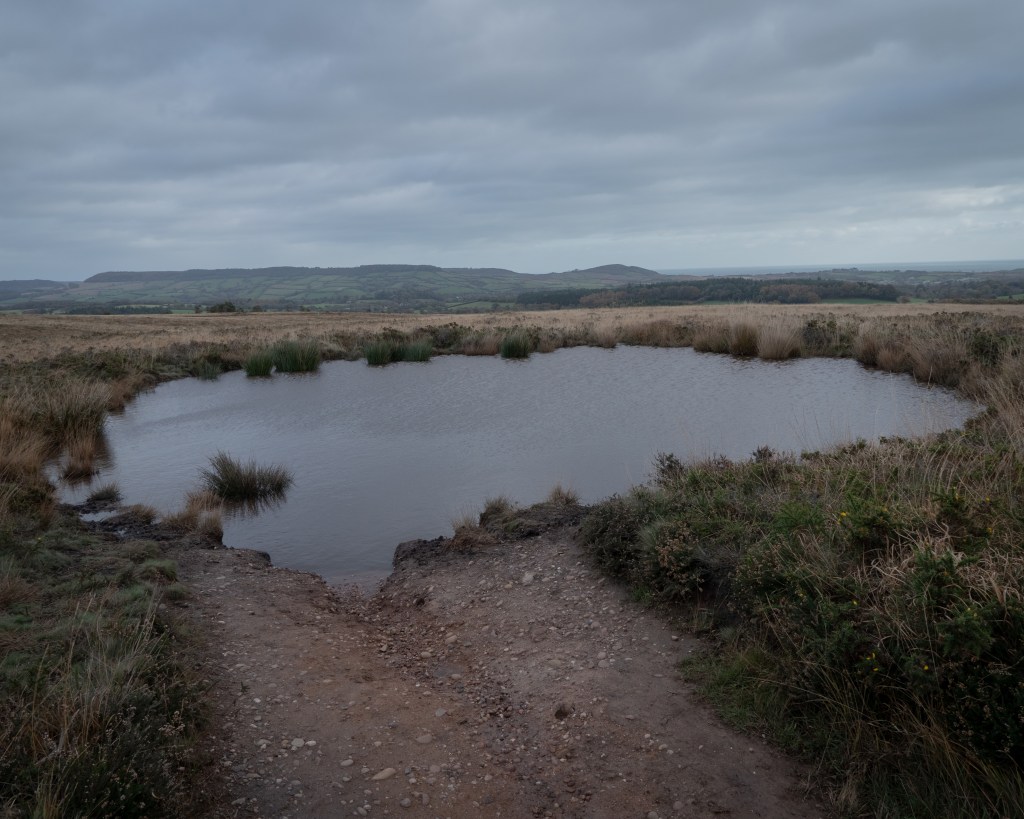
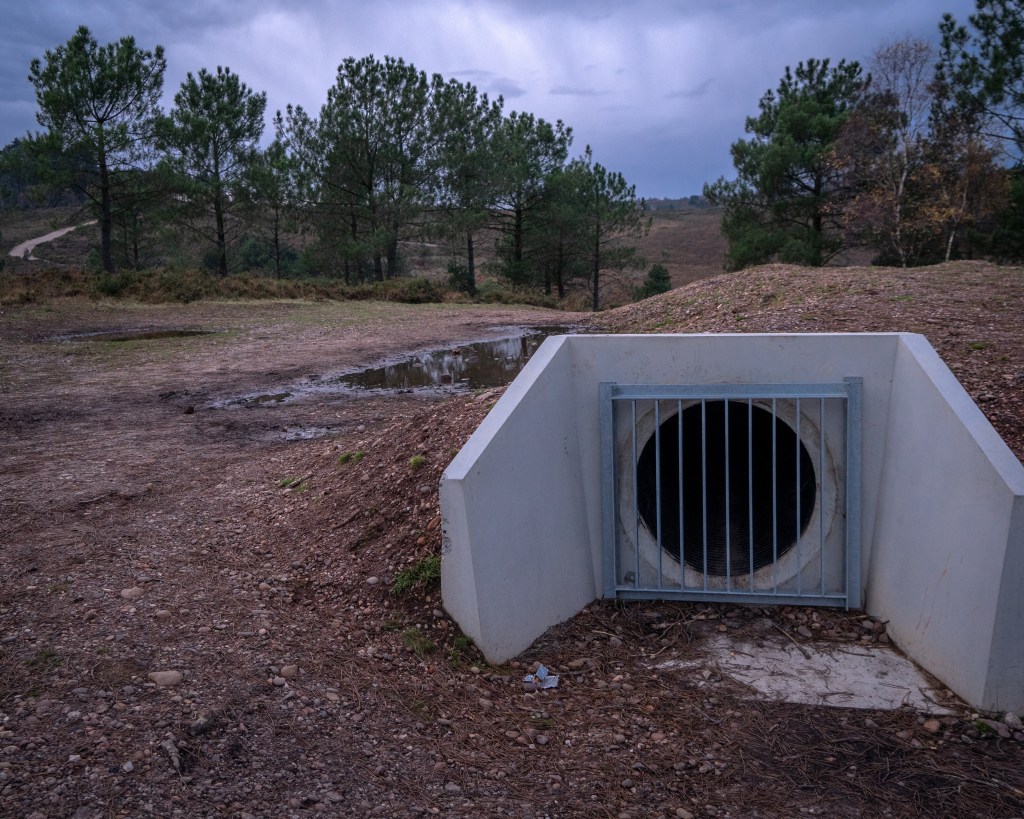
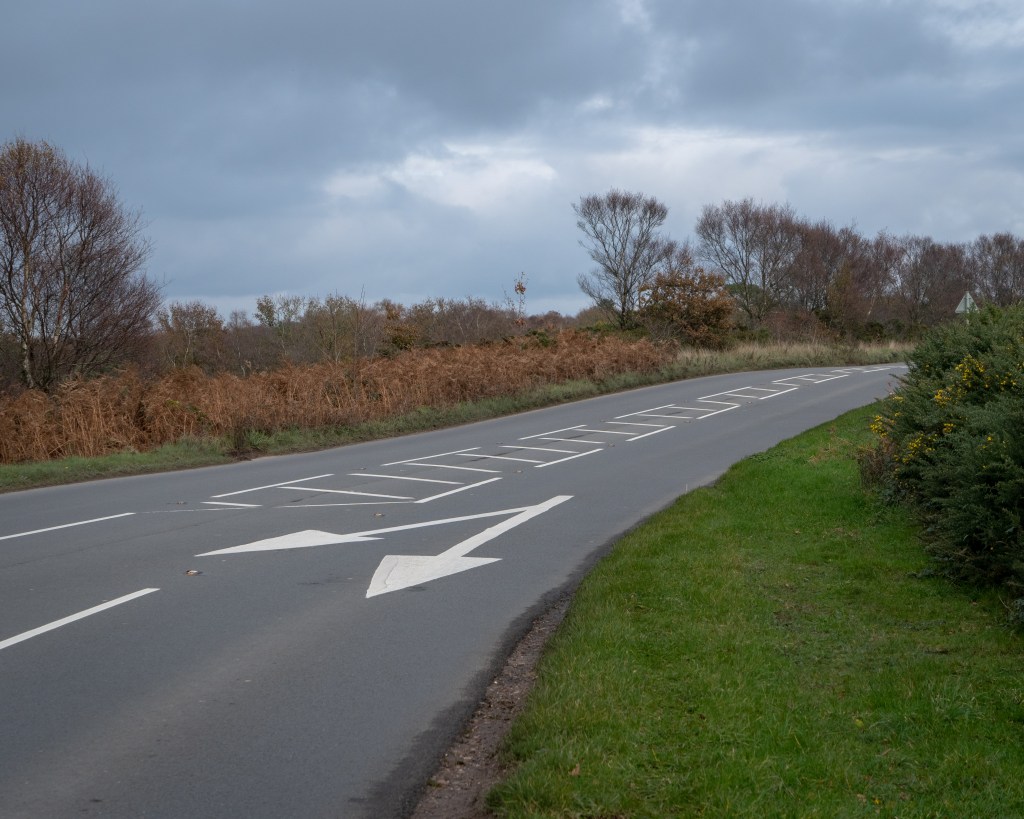
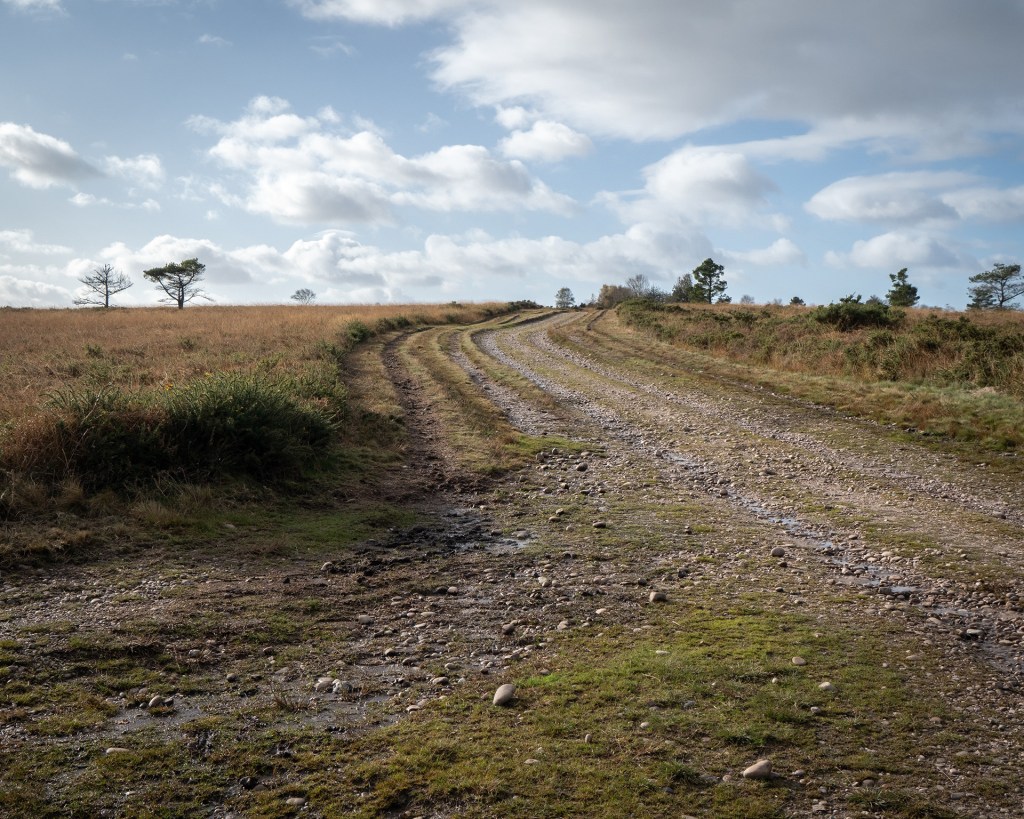
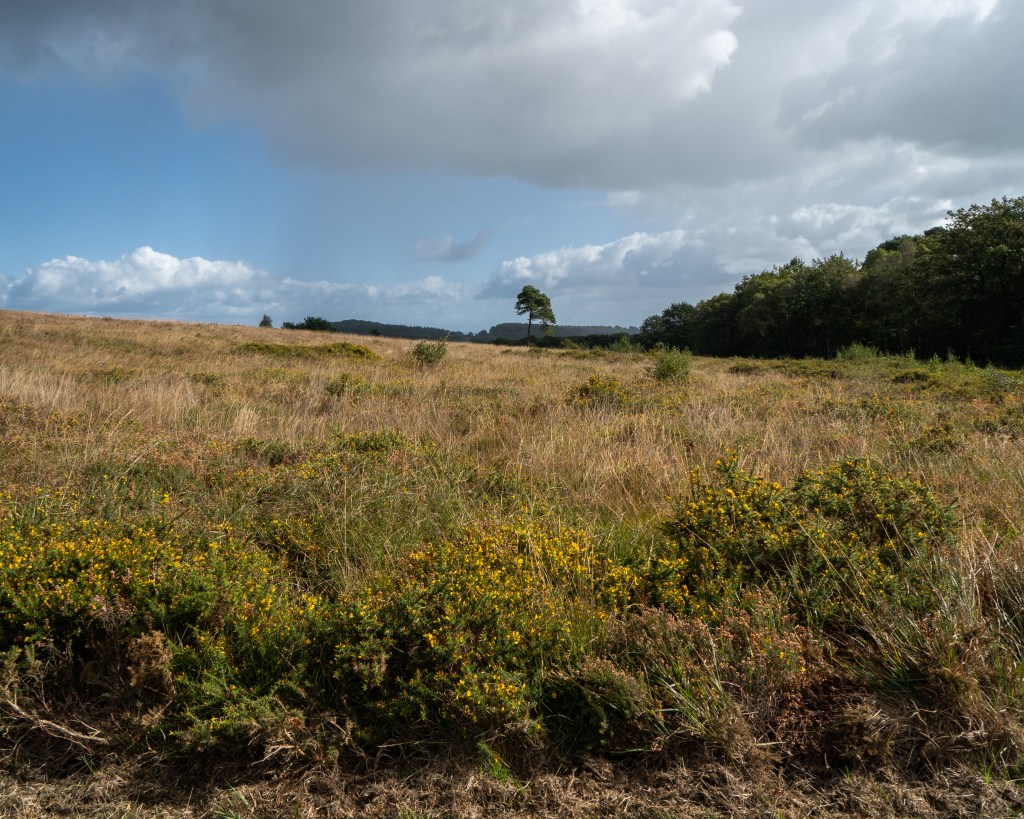
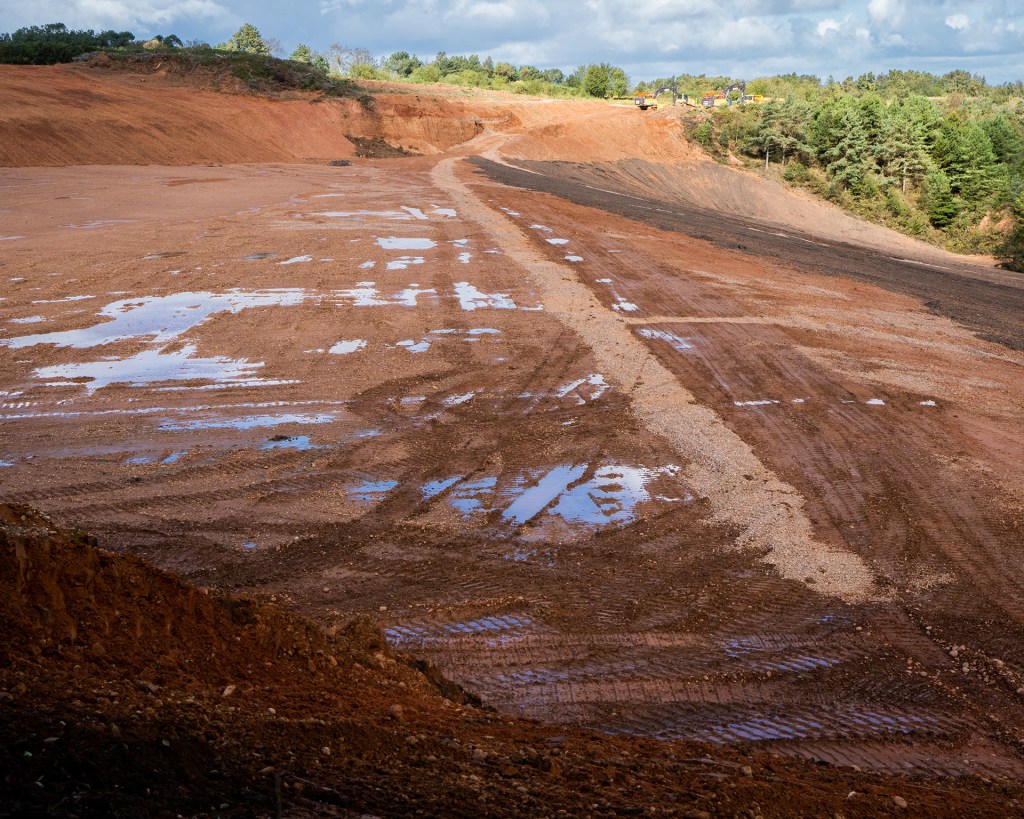
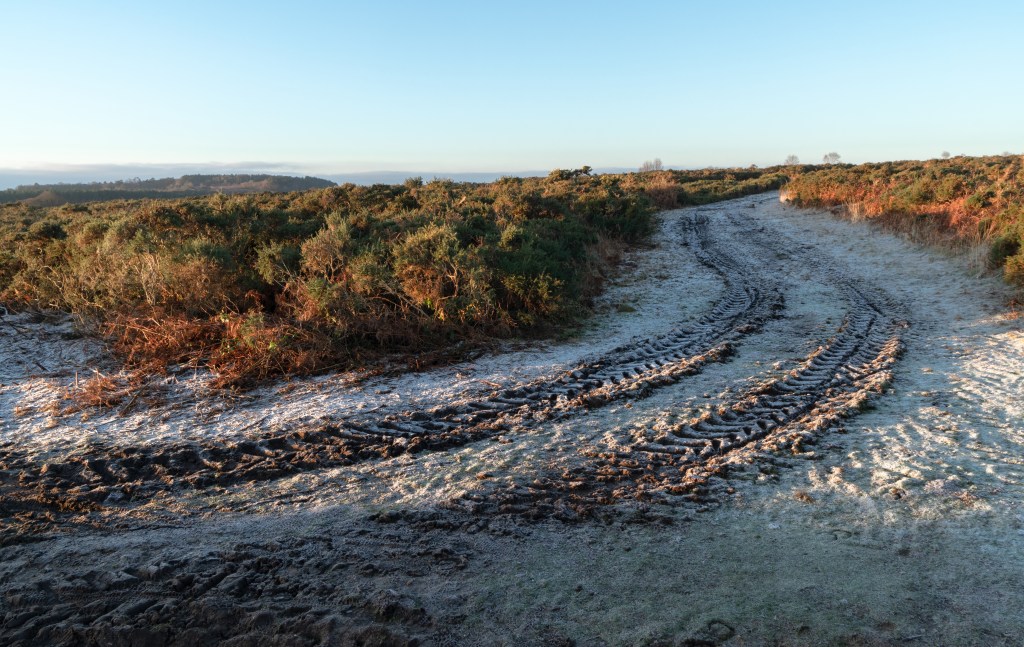
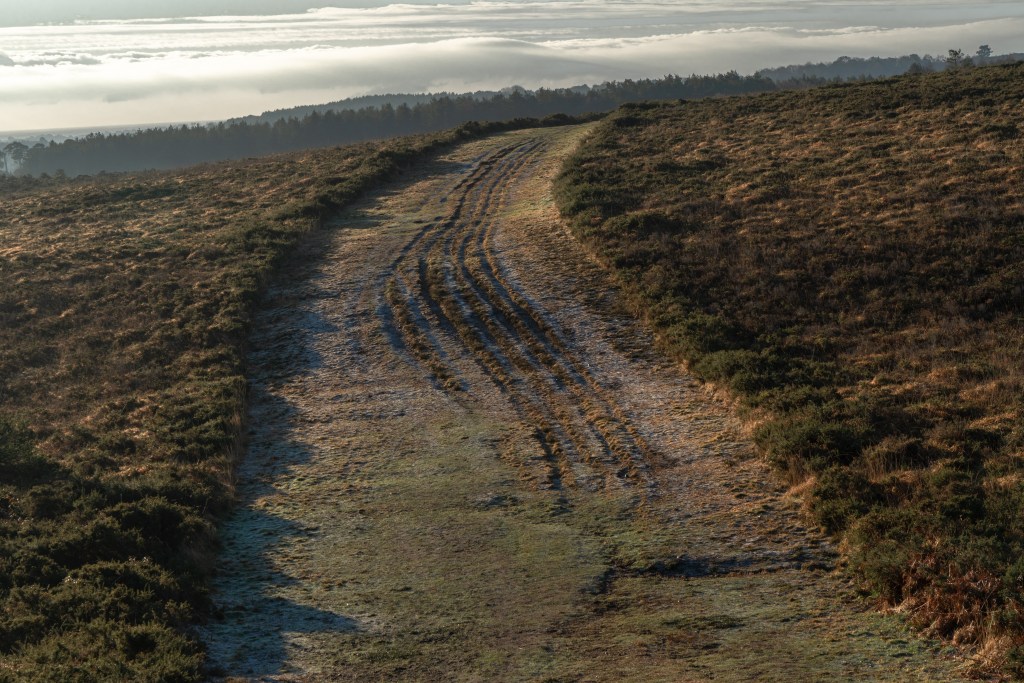
I’ve been up to the Pebblebed Heaths several times without discussing these here. I’m still finding my way around what I want from them personally. Stylistically, I’m attracted to the paths, especially where these braid or are rutted by heavy machinery, as these give me the striking lines I’ve enjoyed so much enjoyed in photographing the M5 bridge at Exminster/ Topsham. Yesterday’s shoot was particularly successful, as the frost picked the lines out still further – something that can be problematic where there is deep shadow or a lack of contrast in overcast conditions.
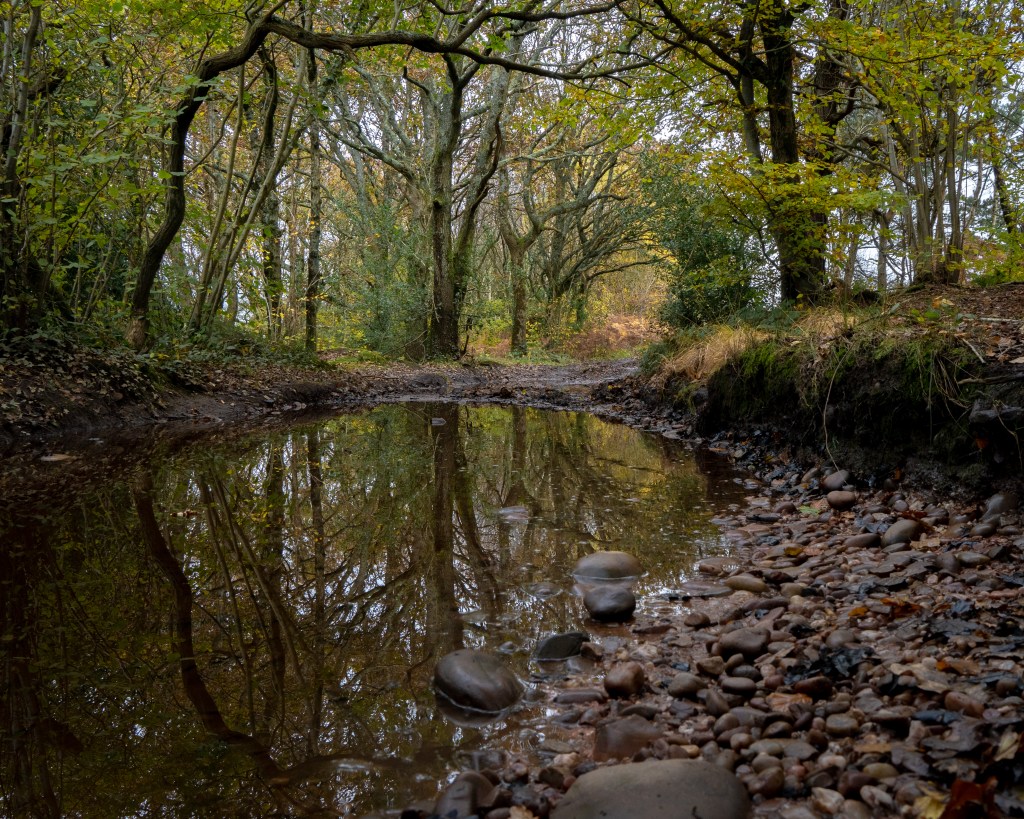
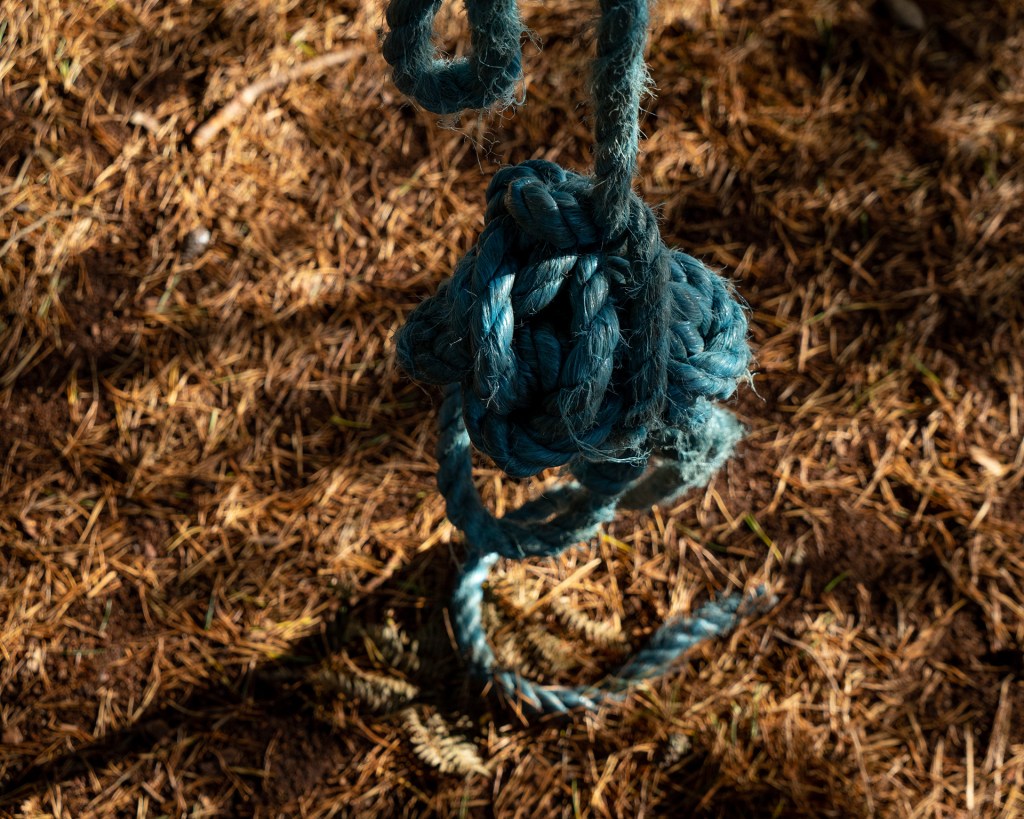
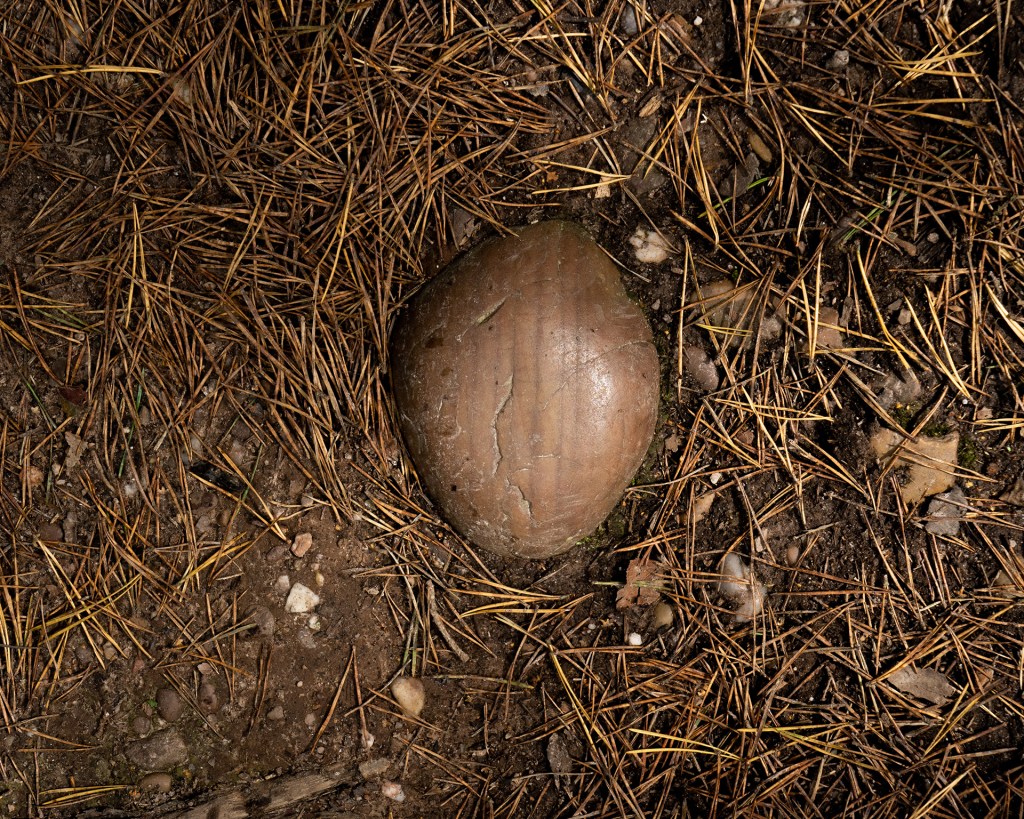
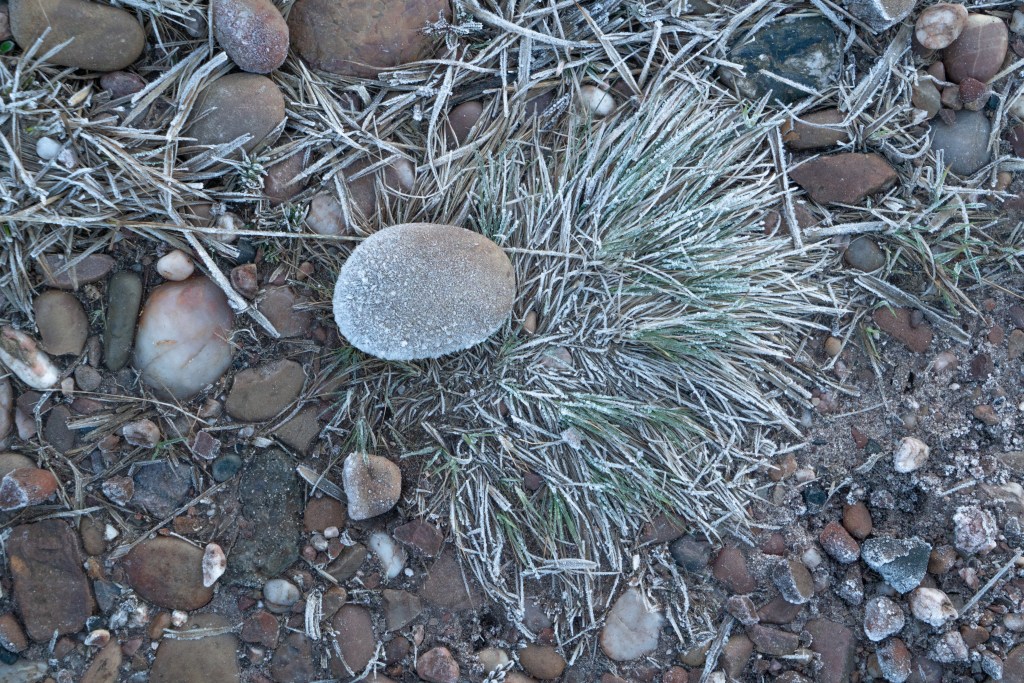
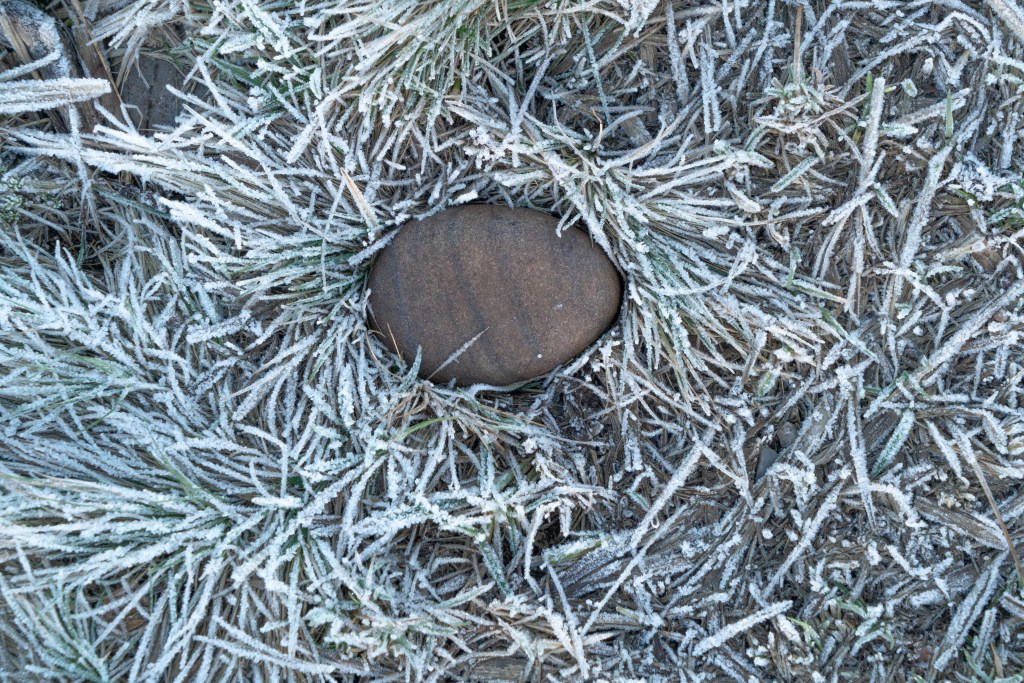
Likewise, I’m continuing my explorations of the ground with the ‘pebble portraits’. The pebbles are a central part of the heath and I think should form a major focus in a photographic exploration – I’m going to challenge myself to tell as much through these about land use (bike tracks, dog prints) and the seasons (acorns, frost). The pebbles are often visually arresting and I should choose pebbles for their attractiveness as well as their context.
I’m also considering ways to use the picturesque. I think this is important in capturing what the heaths ‘mean’ to their users, as the visual sense is formed by cultural experience, whether or not a photograph is being taken. I could do this unproblematically by following the aesthetics of attractive amateur photography, I could represent the picturesque being formed through photographing photographers, or I could subvert standard picturesque content. All three tactics are demonstrated below.
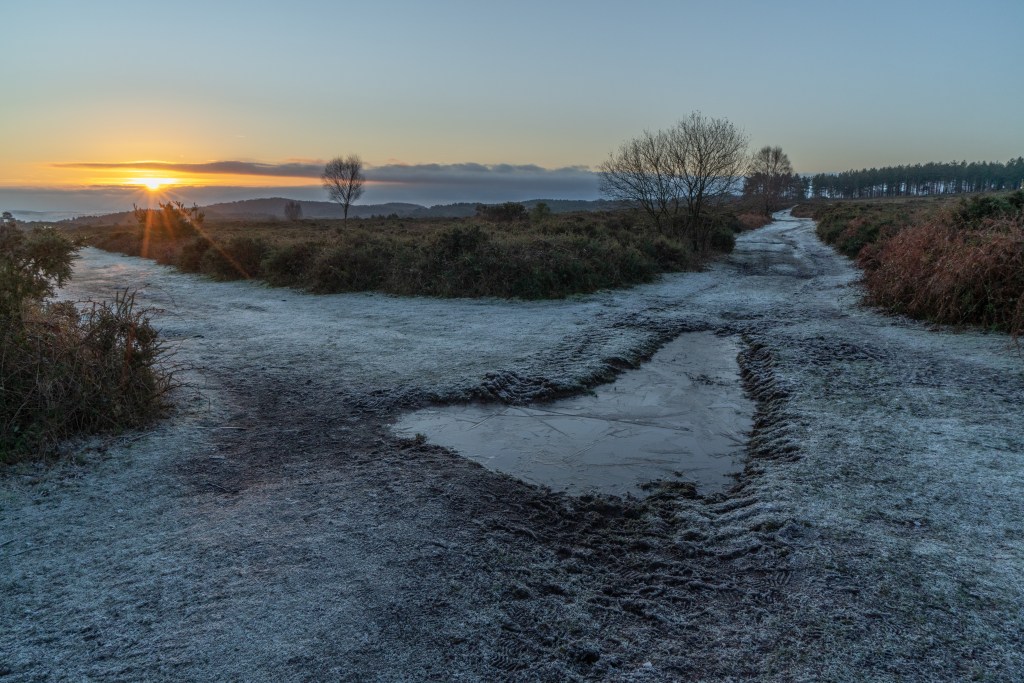
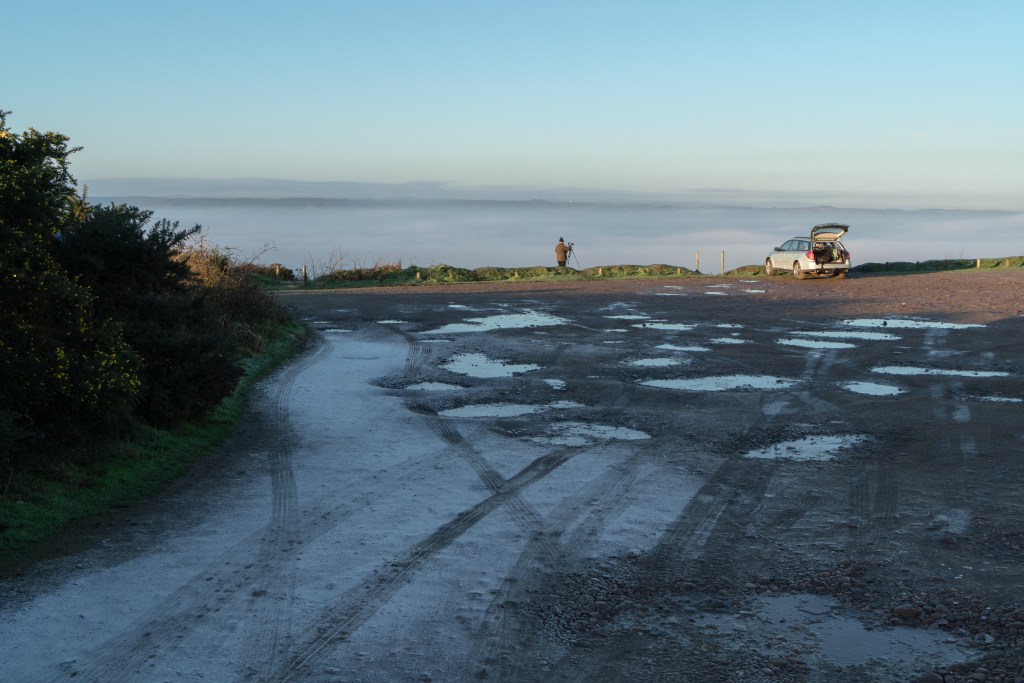
Picturesque icy scene (albeit disturbed slightly by prominent tyre tracks)
Photographer capturing mist.
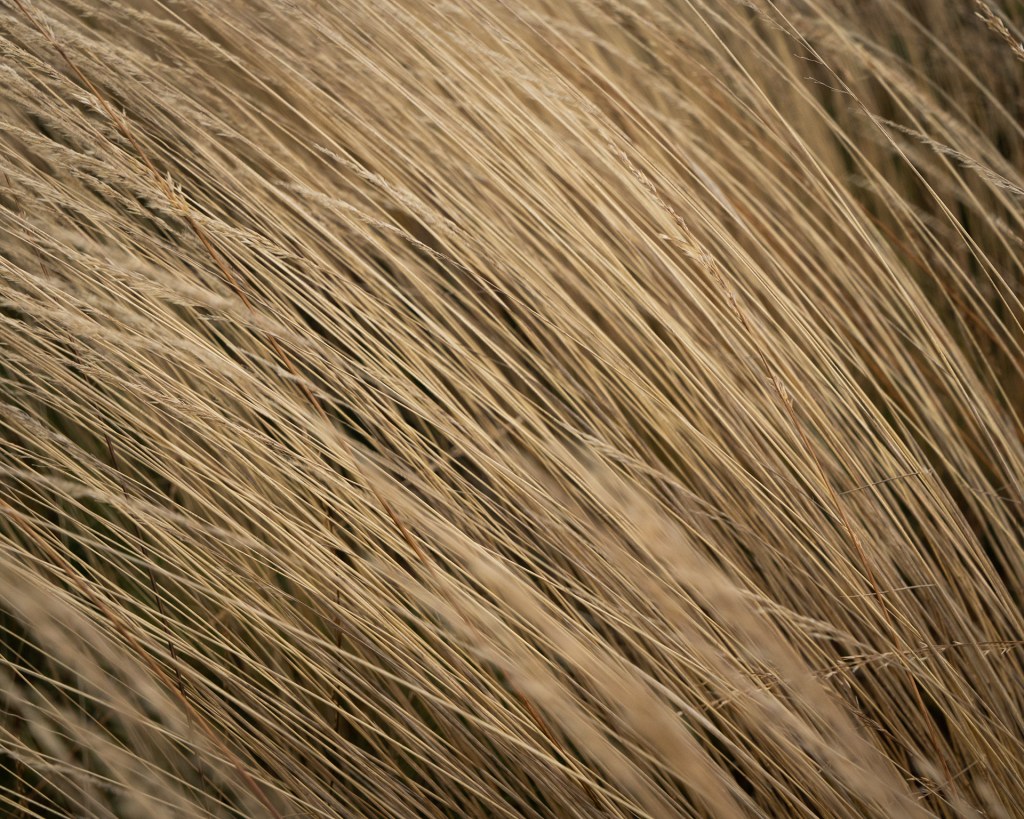
Mist slightly abstracted by banding and lacking strong detail.

Tunbridge Wells Common

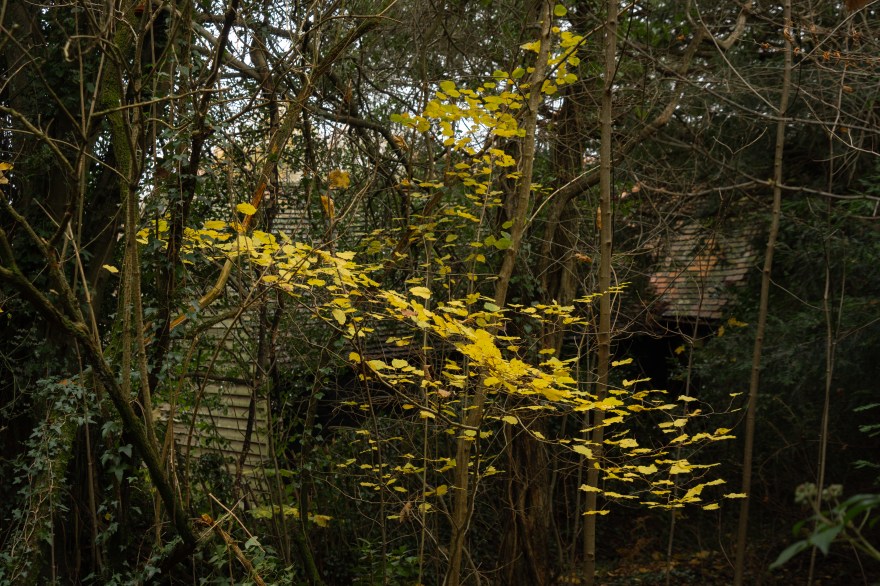
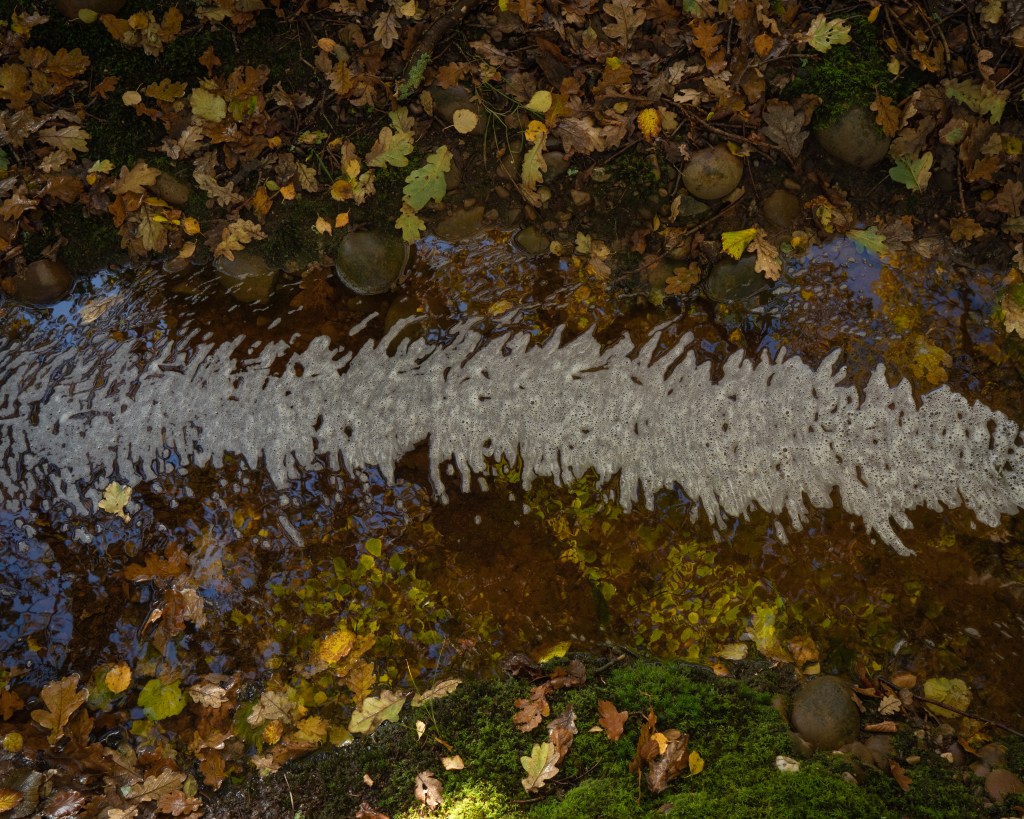
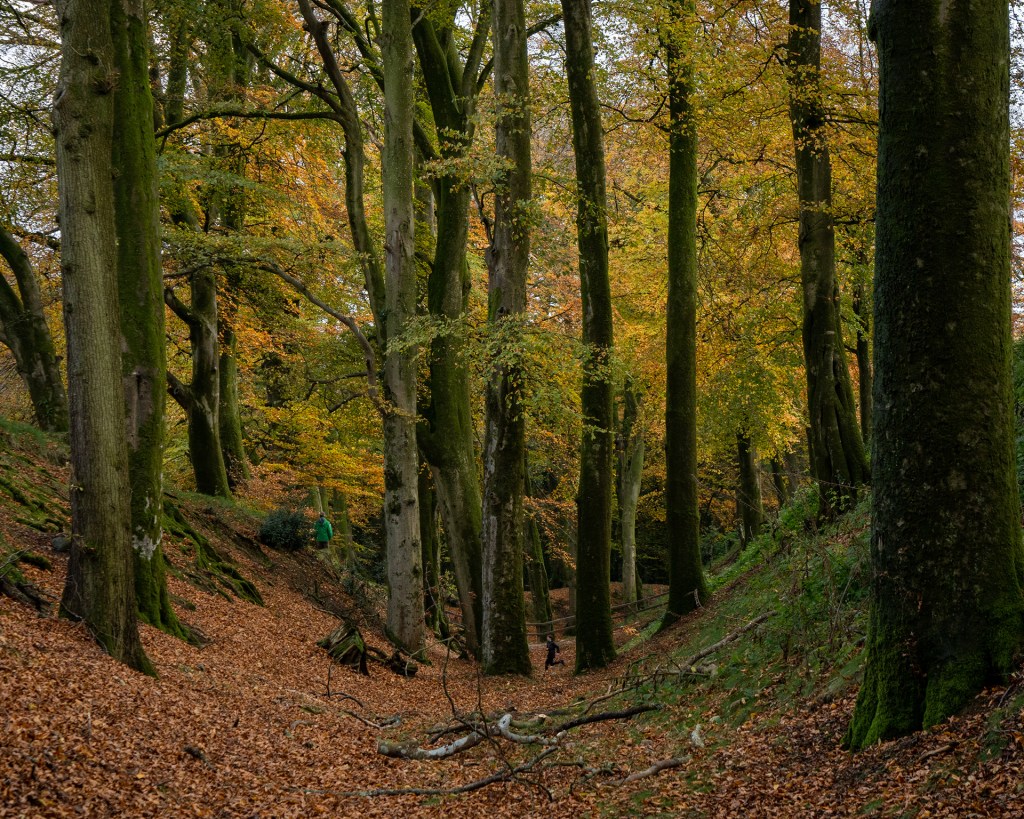
A trip to my home town, which has a wooded common at its heart. The flat light was wonderful for bringing up the textures and colours. I’d anticipated exploring both Tunbridge Wells and Rusthall Commons, but only managed half of Tunbridge Wells’ – there was far more to find than I ever imagined.

Thoughts on Style and Content at Woodbury Common

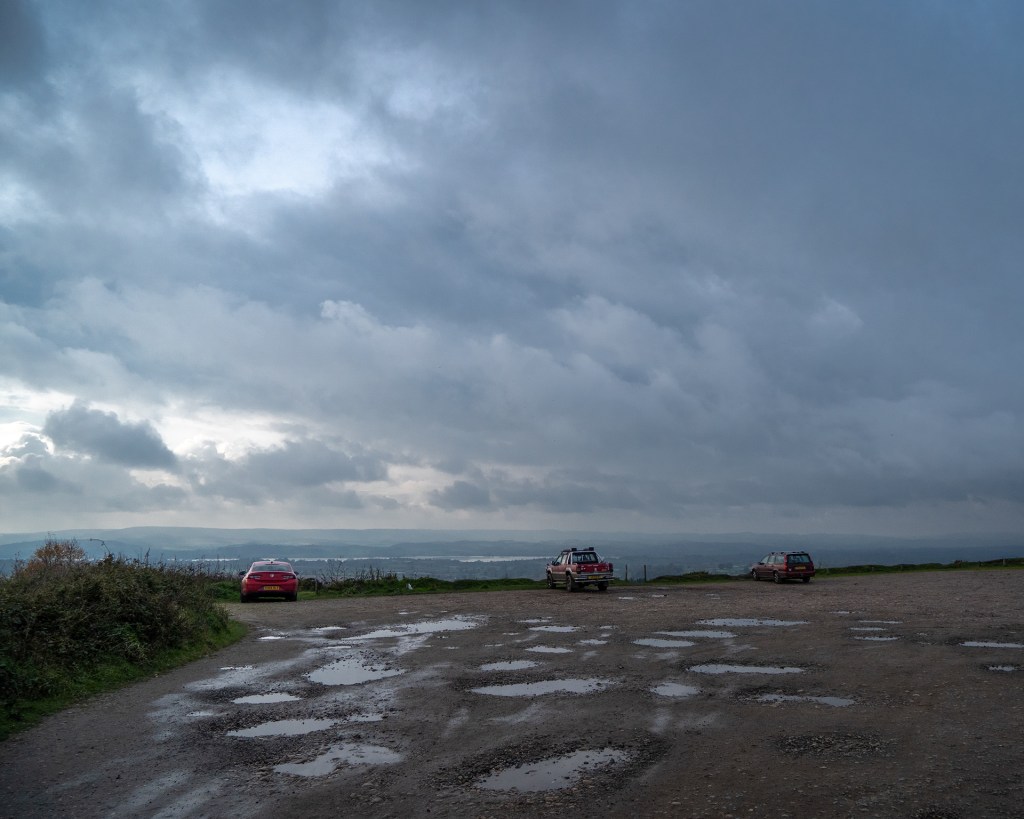
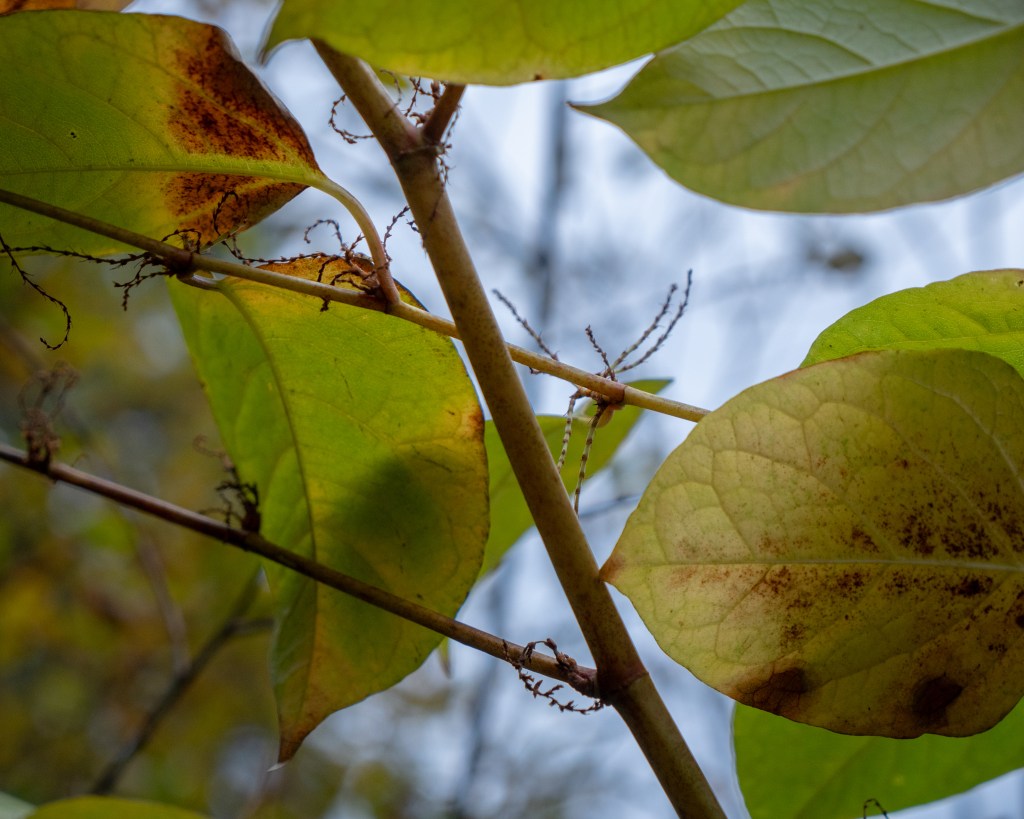
Wandering around Woodbury Common and enjoying the murky flat light, something I’m embracing I think in response to this course, perhaps because it’s stepping away from the picturesque. Many thoughts. First, that the M5 bridge project, though something I love, is fundamentally shallow, ornamental, pretty. That’s not to downplay it, I’m proud of some really great images, but if I want to say more, use photography to analyse deeper, I’m going to need something more complex. It’s been really useful as learning exercise, and it’s not finished, but this is very much a personal project, its final form impossible to predict, though I suspect when I have the images and guts to do so, it’ll be a collection of abstracts. 

Second, that I need to migrate my feelings about filmmaking to photography – that is, rather than a painstaking wish to get the best shots, then and there, think ahead, take time, my restless, ranging approach is just fine. It’s gleaning. Collecting. And, like Varda, it comes to make sense not in the decisive moment, but when put in combination. I need to think not in terms of single stand-out images – which I have hitherto – but of images that form part of a whole, maybe that rely on one another to persuade and express. 

Third, that I won’t be able to express everything I need through photography, just like I needed my voiceover for my filmmaking. So, rather than seek photographs to stand in for information, or write to describe photographs better, I should let photographs express what they express better than words, and words express what they express better than photographs. How they fit together, who knows. It’s early days. 

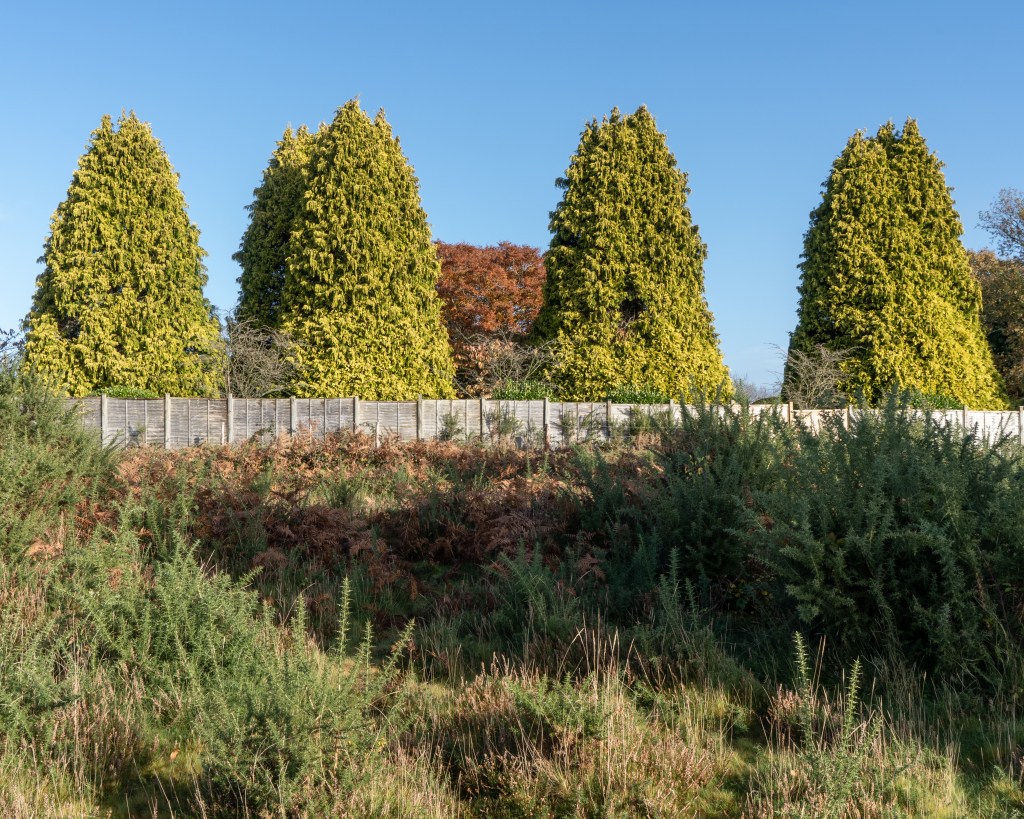
Fourth, that I’ve chosen something more complex and ambitious than anything else, including film. There’s a need to adapt my style to my subject – to look out for ways of using my lines (like in tracks) and my colours (like in light) and the strange (like the leylandii) and the political. I should look at how a photographer with a recognisable style transfers between very different subject. I should go back to Shore’s Survivors of Ukraine(2015) and go in deep there, but be alert for more – like Davies’ European eyes on Japan (2008). 

Fifth, that if I’m going to go for a time of day to be photographing, then it’s got to be dusk. 

I think that’s some quite good thinking to be going on with.

Markerink et al. 2008. European Eyes on Japan. Tokyo: EU-Japan Fest Japan Committee

Shore, S. 2015. Survivors of Ukraine. London: Phaidon Press. 

A walk in East Devon

I’d scheduled a visit to Greenham Common today, but my brain decided last night was a great opportunity to wake up at 1, fret, and then think over coursework. Cheers, brain. So a 6 hour round trip wasn’t on the cards and instead I headed up to the Pebblebed Heathlands, a 40 minute round trip. Actually, maybe brain wasn’t being such a numpty after all, as the ensuing train of thought was productive and clear.

The first thing today made totally clear is just how impractical my intended project is. Sure, it’s a great project, but the amount of travel it’d involve will cost money I don’t have and cause disruption to home life if I’m doing it properly. Fact is, it doesn’t have to be done like this. I can investigate commons without needing to visit them all. The Pebblebed Heathlands are fascinating, known to me, and there’s even academic research that I’ve used previously, love, and can go into more deeply. If I’m developing a project about connectedness to land, and if I’m taking a phenomenological approach, then I need to develop my own connectedness to a common, which I can’t do if I’m flying around the country. I’ve been weighing up whether the project should be many commons in no great depth, or one or a couple in depth. Given my inclinations and limitations, it makes sense to go with the latter, and it will also give me the chance to develop a knowledge of sensory ethnography, use money for equipment, and develop a project more connected to Strands and to the possible future PhD with Gideon Koppel. So, OK brain, you win. You were right.

It’s also worth thinking more about the place of research into commons and photography. There’s no reason they can’t be separate but connected. I can write a series of essays on commons generally. I can investigate commons in East Devon through photography. Each can stand on its own, and I like the idea that the photography shouldn’t need explaining. But the two can be connected by approaching the same subject in different ways. Also, why can’t the photo project be like a diary? Entries date, weather, time – rather than trying to get all the shots alike. Food for thought.

The Picturesque and the Sublime

These two words come up again and again and again in my reading and in discussions with tutors. They’re not unfamiliar – I’ve read Austen’s brilliant parody of picturesque in Northanger Abbey, I’m attuned to the Victorian quest for the sublime in places like Tavy Cleave on Dartmoor, I know enough about Capability Brown gardens to appreciate their picturesque, and of course I know the contemporary meanings – very different in the case of sublime. But as terms I’ve never come across their mention in such profusion as in photography. Perhaps that’s due to their powerful connection to ways of looking, something even more relevant to photography to film, and with their roots in painting, to which photography is more connected as a discipline than is film.

It’s proving useful as a way of understanding my own photography. I now realise that I largely avoid the picturesque – or if I do so, it’s with the intention of sharing an image with people who I know will draw pleasure from it, like my parents. But my relationship to the sublime, which I now see I have fully imbibed through landscape photography, is much more complex. I like bleak moorland shots. I like dramatic post-industrial shots. I like wild skies and rugged coasts. Beginning to understand the sublime is helping me unpick why I often find the shots I take of these unsatisfactory: like the picturesque, they’re driven by emotional response, it’s just I came to find a response to the sublime more satisfactory than the picturesque, somewhat noble, even a touch pompous.

Of course, there’s nothing whatsoever wrong with taking pictures just for their emotional charge, or sharing them. It’s just that, with the kind of analytic mind I have, I always want to go deeper, communicate more. A sublime shot becomes apolitical – even where the subject matter is political. And following the thinking-through style of filmmaking into my photography, analysing and communicating through a lens should be paramount. This can be brought about through subversion – it’s easy to subvert the picturesque, which lends itself brilliantly to parody, but how to do the same to the sublime? One strategy I do use is to bring the two together in a single shot – pretty flowers against a mass of concrete. But there must be other ways. And I must think more about suggesting political context somehow. Just thoughts for now.  

Phototherapy

I’m drawn to certain places to take photos. I’ll visit them. There are also places I avoid, or don’t bother to bring a camera. I don’t really like Exeter, though I do like the outskirts – and of course there’s the bridge. I do love Bristol, and the grubbier the better – yesterday’s river walk was heaven. And while I’ll walk in lush woodland or magnificent coastal scenery, I’m not really there for the photos – though obviously these do happen. When I’m out specifically to take pictures, and also when I’ve decided not to bother, it’s worth thinking about. 

I think I’m looking for something, or looking for a means of expressing something, or of thinking something through. The places I choose are often damaged, but they’re also beautiful, and it’s that clash of such things I seek. They’re places where melancholy, desperation and joy coexist. They’re contradictory but I can make them complete through photographing them, chaotic but I can find order through photographing them. I can’t think of anything more fundamentally therapeutic than that. When I photograph, I’m externalising the mess of thoughts and emotions inside me. I’m making sense of them, finding equilibrium, embracing all of it, and finding beau

East Devon’s Pebblebed Commons – a first shoot

I’ve not yet got my head around including images with WordPress – all in good time – but I do want to use my CRJ to think things through.

Yesterday, I did a walk of around 8 miles, linking up a fair few of the extraordinary collection of commons just north of Exmouth/ Budleigh Salterton. The area is an SSSI, and geologically interesting due to its characteristic pebbles – the remnants of a vast river delta that once covered this area. It’s also historically interesting that so many commons still exist in an area of agriculture and so close to relatively urban areas. The weather was glorious and the autumn colours just starting to emerge.

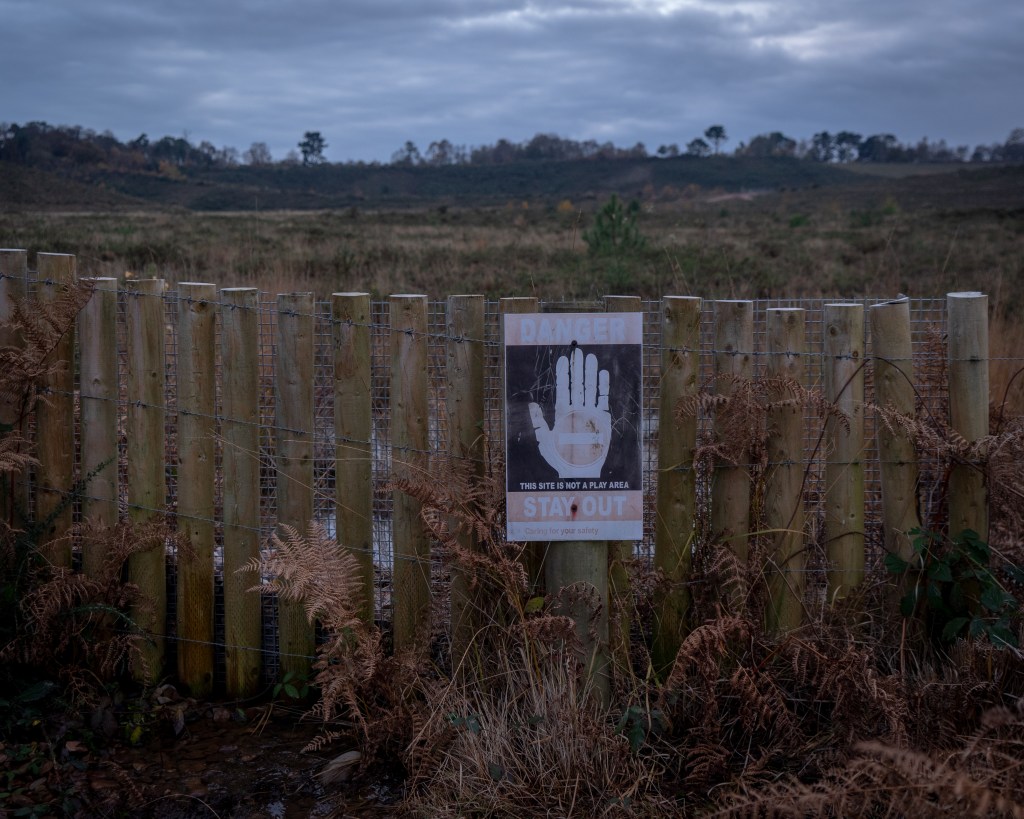
It was unlike any photo walk I’ve done before. I think this is due to it being connected with the MA. Rather, it was like the shoots I did for my film MA – it was a thinking through of ideas, using the camera as a form of thinking, and as a record of thinking. As with film, I became acutely interested in borders and permissions – something that defines commons, so perhaps inevitable. However, I now realise this has been a focus of my photography since that revelatory, frazzled walk with my Yashica in 1994, something that didn’t occur to me until now. Photography can be used as a way of decoding and considering signs – there certainly were plenty of them yesterday.

Personally, perhaps the central question of this MA is – who am I as a photographer, and what is it that I do? These questions were very much present. Being a rather awkward, self-doubting person, I struggle with photographing people. This presents a problem when photographing commons, because people are central to what commons are. They’re what makes a common a common, rather than just a collection of trees, an expanse of heather. To explore commons is to explore how people use the land. A way around this may be to follow one of my aesthetic traits – photographing the ground for the signs and tracks people leave behind – mountain bikes, dog prints, litter, car park potholes.

It’s just an idea, and chances are there are other activities that don’t leave much in the way of traces (such as model plane flying). But what it does make me wonder is whether I’ve been wrong in considering too narrow a view as to what ‘style’ means. I have several photographic strategies that have evolved over time. First is what I’ve just mentioned. Second are the wide angle, very geometric shots that look great with artificial structures, but also work with open spaces and footpaths. Third is my interest in signage – especially where a visual pun is possible. I think I can harness each of these to explore commons in different ways. How I weave them together into a coherent and unified style, and what other strategies I might add, is something to contemplate ongoingly.

02.10.19

Who am I and what am I doing here? Questions that I’ve been asking myself ever since I can remember, but here, at least, there’s a specific context in which to ask them. This is my critical reflective journal (CRJ), created to accompany a Masters in Photography taken with Falmouth University. Arendt talked of thinking without a bannister in circumstances where there’s nothing to hold on to and I guess this CRJ is going to be just that kind of thinking.

Already I’m confused. But it’s a Buddhist saying that wisdom arises from confusion, so maybe confused is a good thing, at least for the time being. Right off the back of a Film & TV Masters at Bristol, I came to learn that my filmmaking is very photographic, but now I need to consider to what extent my photography is filmic. And what role all the other bits and pieces of intellectual and creative experiments – haiku, childrens fiction, psychology, literary essays, geography – are now going to take in this new context. Even – maybe especially – a long-ago and fleeting flirtation with psychedelics, which somehow set the stage for what my photography has evolved into.

I’m also a bit nervous. I’m a lover of art and indebted to Matisse, Brancusi, Kurt Jackson, Georgia O’Keefe, Miro, Warhol, Hiroshige. But my background is in narrative and photography’s connectedness with fine art makes me feels like I’ve just arrived in a part of the world where English is spoken but in a dialect I’m struggling to adjust to. But maybe nervous is good too. Nervous keeps me alert, questioning and active.

The big questions I’m going to be considering here, I guess, are these:

1. Given my interdisciplinary background – where does photography sit and how can I create a medium drawing on my broad background?

2. Is there in my photography (and filmmaking) something that suggests a personal style? If so, how do I refine and develop it and to what else does it relate?

3. How can I use both 1 and 2 to continue to explore the themes of place-attachment, wellbeing and eco-politics explored in my previous work?

4. How might 1, 2 and 3 be of interest to others, and what means are available to reach them?

Hopefully, by August 2021, I’ll have come at least some of the way towards answering them.