Author: andythatcher
Photographer - filmmaker - writer - researcher
Environment - wellbeing - politics
Work in Progress Portfolio
Thoughts on Style and Content at Woodbury Common
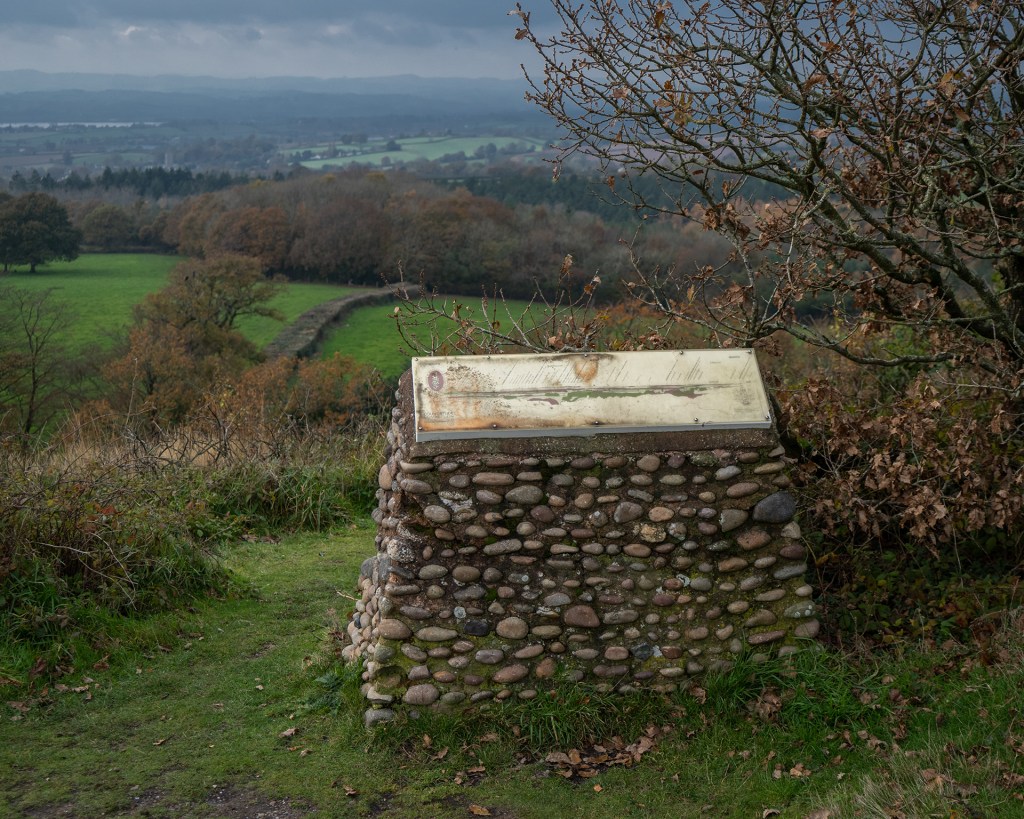
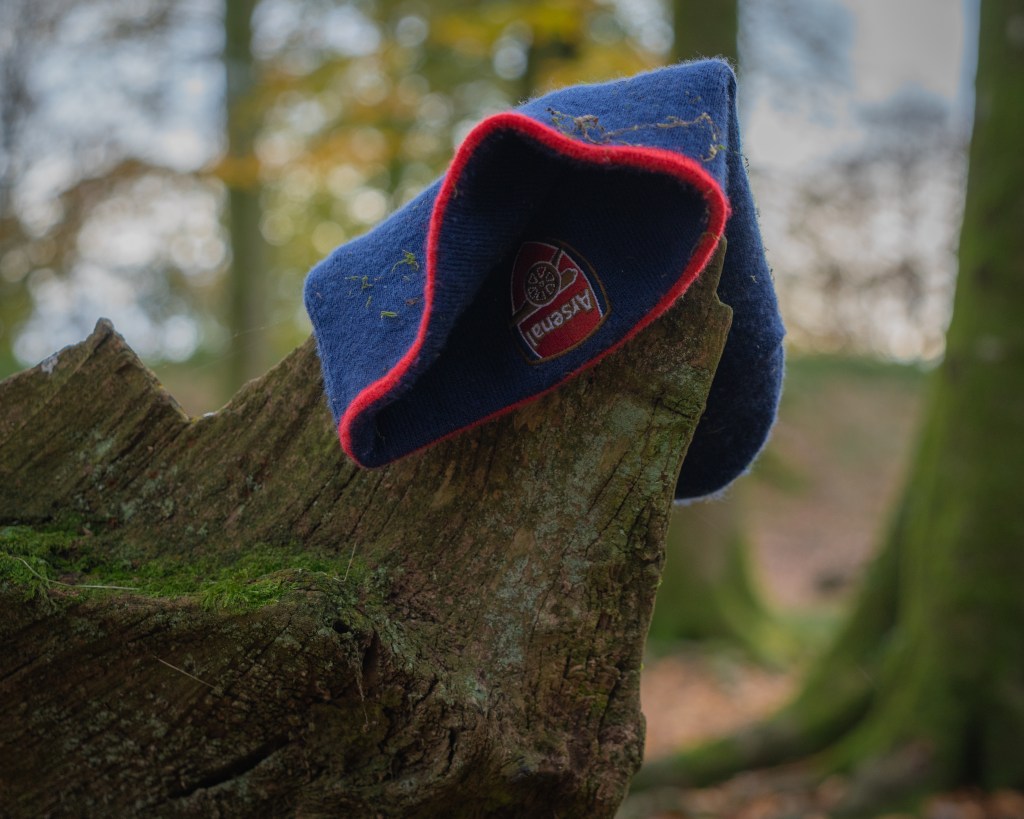
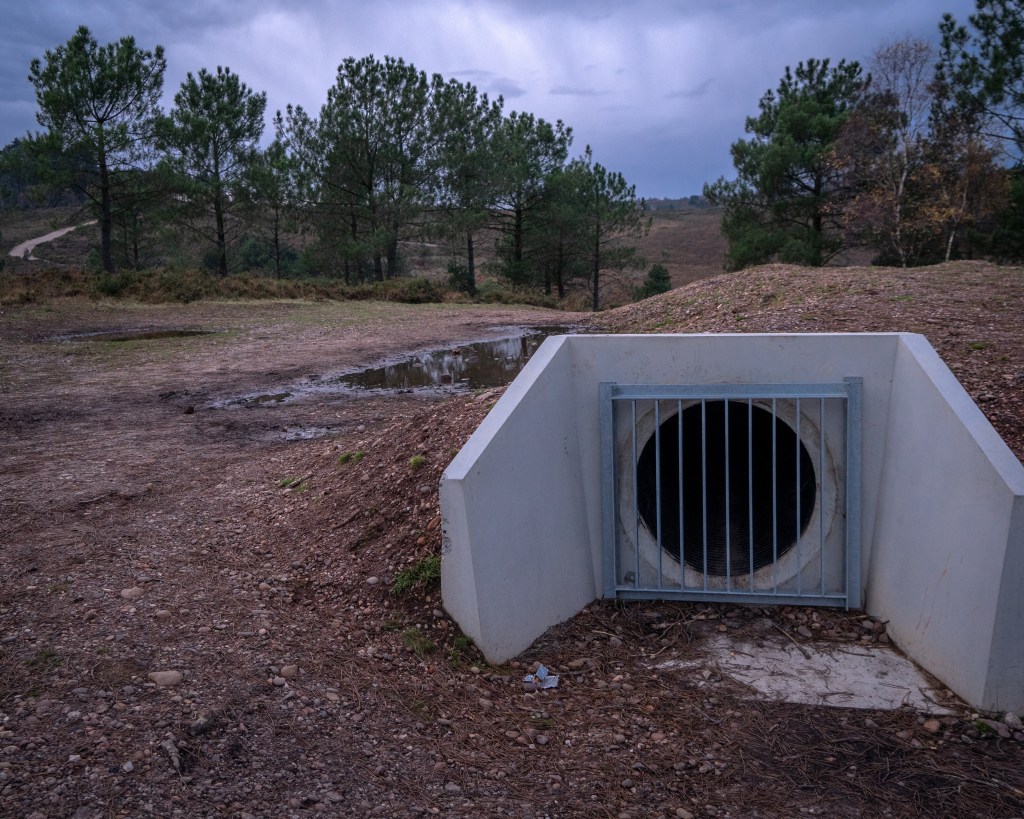
Wandering around Woodbury Common and enjoying the murky flat light, something I’m embracing I think in response to this course, perhaps because it’s stepping away from the picturesque. Many thoughts. First, that the M5 bridge project, though something I love, is fundamentally shallow, ornamental, pretty. That’s not to downplay it, I’m proud of some really great images, but if I want to say more, use photography to analyse deeper, I’m going to need something more complex. It’s been really useful as learning exercise, and it’s not finished, but this is very much a personal project, its final form impossible to predict, though I suspect when I have the images and guts to do so, it’ll be a collection of abstracts.
Second, that I need to migrate my feelings about filmmaking to photography – that is, rather than a painstaking wish to get the best shots, then and there, think ahead, take time, my restless, ranging approach is just fine. It’s gleaning. Collecting. And, like Varda, it comes to make sense not in the decisive moment, but when put in combination. I need to think not in terms of single stand-out images – which I have hitherto – but of images that form part of a whole, maybe that rely on one another to persuade and express.
Third, that I won’t be able to express everything I need through photography, just like I needed my voiceover for my filmmaking. So, rather than seek photographs to stand in for information, or write to describe photographs better, I should let photographs express what they express better than words, and words express what they express better than photographs. How they fit together, who knows. It’s early days.
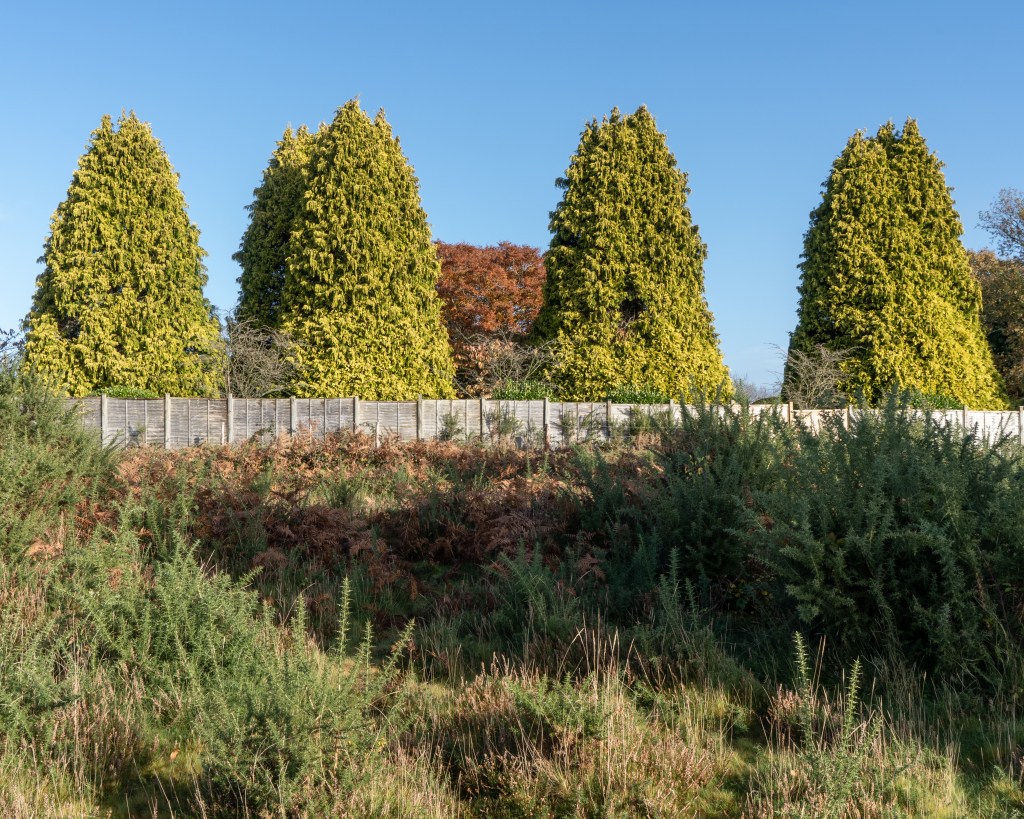
Fourth, that I’ve chosen something more complex and ambitious than anything else, including film. There’s a need to adapt my style to my subject – to look out for ways of using my lines (like in tracks) and my colours (like in light) and the strange (like the leylandii) and the political. I should look at how a photographer with a recognisable style transfers between very different subject. I should go back to Shore’s Survivors of Ukraine(2015) and go in deep there, but be alert for more – like Davies’ European eyes on Japan (2008).
Fifth, that if I’m going to go for a time of day to be photographing, then it’s got to be dusk.
I think that’s some quite good thinking to be going on with.
Markerink et al. 2008. European Eyes on Japan. Tokyo: EU-Japan Fest Japan Committee
Shore, S. 2015. Survivors of Ukraine. London: Phaidon Press.
David MacDougall: Meaning and being
It’s wonderful when coming across a piece of writing that’s so timely, you want to grab the person nearest you and go – listen to this, no, really, LISTEN. Fortunately, I’m not given to doing this.
Such a piece of writing is David MacDougall’s Introduction to his collection Film, Ethnography and the Senses (2006), subtitled Meaning and Being. I’ve come across MacDougall in the context of documentary and for some reason it didn’t chime with me. I suspect, had I come across it again while making Strands, I would have had a similar response. MacDougall is an ethnographic filmmaker deeply embedded in questions of agency for the ethnographic subject, the role of filmmaker, and the distinctive function of film as a form of ethnographic research. In his introduction, MacDougall largely speaks of filmmaking, but speaks for the most part about the function of a camera in producing knowledge, and in this he often equates filmmaking with photography, while noting their very different qualities, especially with regards to time.
I’ve highlighted nearly the entire introduction, so summarising it and responding to it all is more than I’m prepared to do here as yet. What MacDougall explores so thoroughly is that knowledge is constituted not just by interpretative, categorical and analytical meaning, but by being, the immediacy of experience which is provided by the senses. He argues that academic study eschews the latter, despite its putative function of aggregating and developing knowledge. The camera is powerfully placed to provide both kinds of knowledge – even in photographs or films which are deeply analytical, such as those of Wall, a trace of being is retained such that meaning is always provisional and incomplete. Meaning, however self-consciously or unselfconsciously, can be created by framing, mise en scene, instance, colour and so on, but the camera always captures a surplus to any meaning, including the trace of the camera and the photographer or filmmaker’s being in the world (I’m assuming MacDougall is referring obliquely to Heidegger here). This surplus, he argues, is not incidental or accidental, but communicates a surplus of experience, the act of looking as well as what has been seen and utilised to create meaning. This tension between the two forms of knowledge is a strength for both media, as it is creative productive.
MacDougall goes on to argue that while disciplines such as anthropology make use of being-knowledge, they incorporate it into meaning-knowledge in the form of essays, papers and books, at a higher level of abstraction. They do not use it as a tool or form of expression. His understanding of looking is neither passive seeing nor concerted seeking, but aware and open observation, a form of thinking.
This is EXACTLY what I had been engaging with during the making of my last two films – using the lens as a form of analysis and engagement, informed by research but not enacting it as such, not looking for proof or evidence but what Rascaroli (2017) calls a ‘thinking-through’ found in the essay film. It’s really interesting that MacDougall equates film with photography, as that’s what I’d come to understand too, and it was important for me to leave that surplus in. It’s a specific kind of looking.
How this equates to sensory ethnography is something I’ll have to return to, but I look forward to reading this book further.
MacDougall, D. 2006. Film, Ethnography, and the senses. Princeton: Princeton University Press.
Rascaroli, L. 2017. How The Essay Film Thinks. Oxford: Oxford University Press.
A walk in East Devon
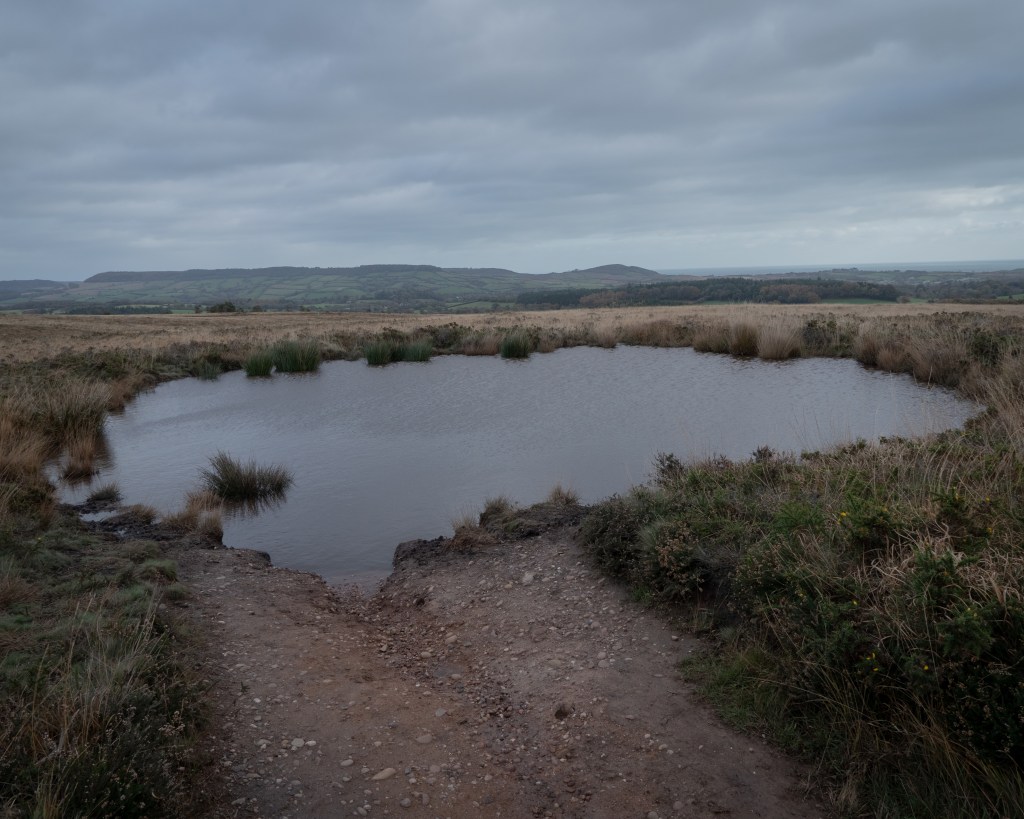
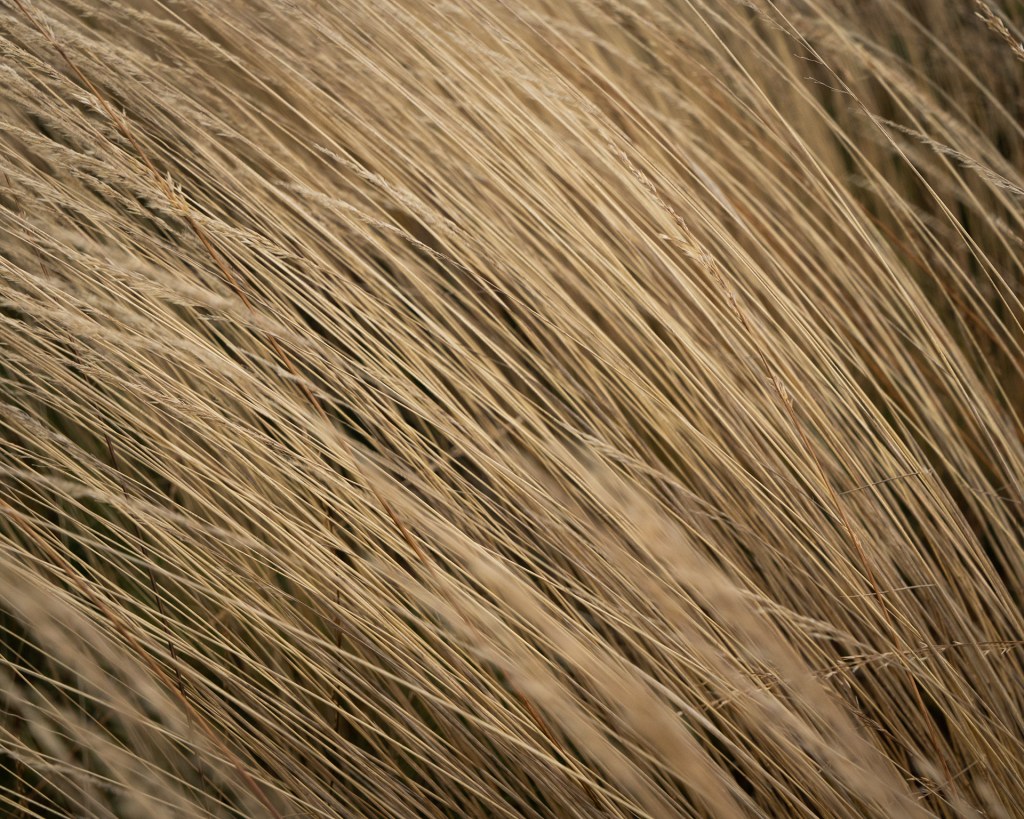
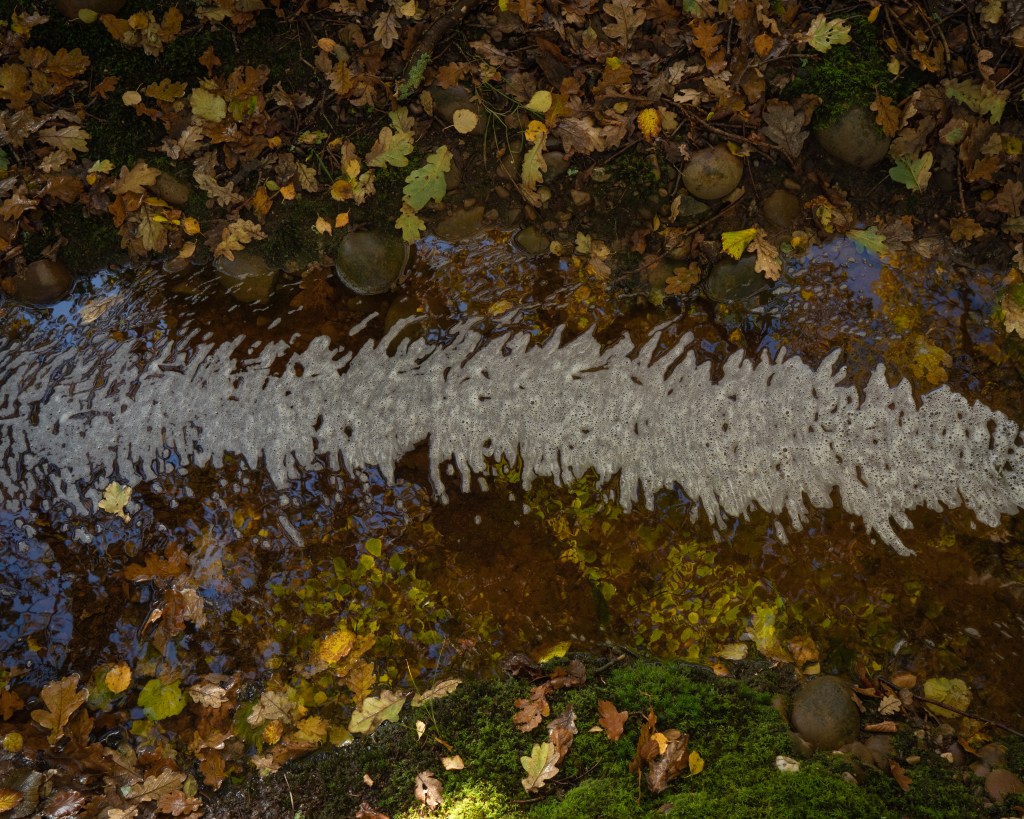
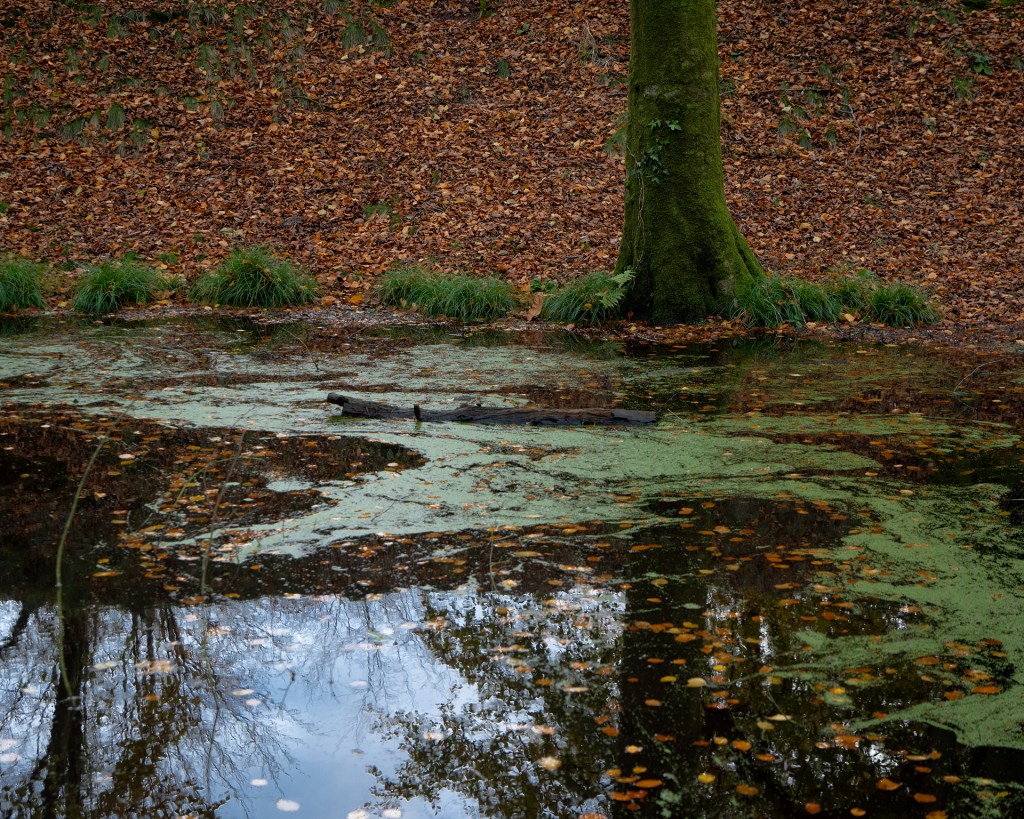
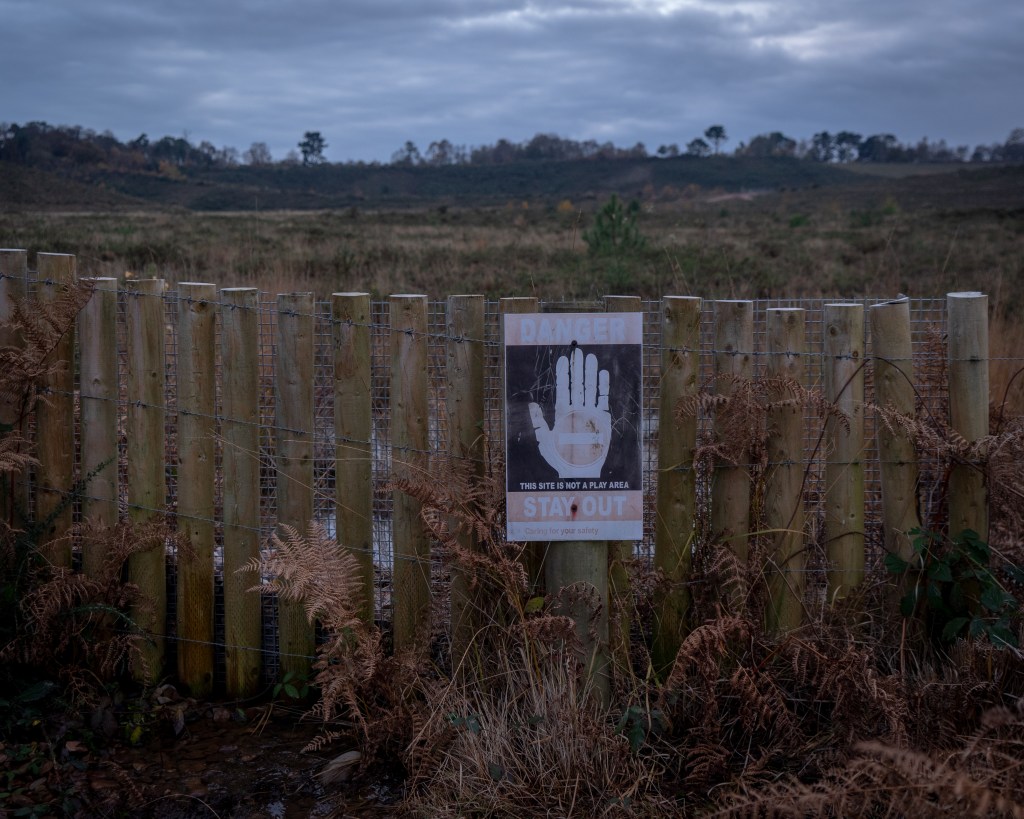
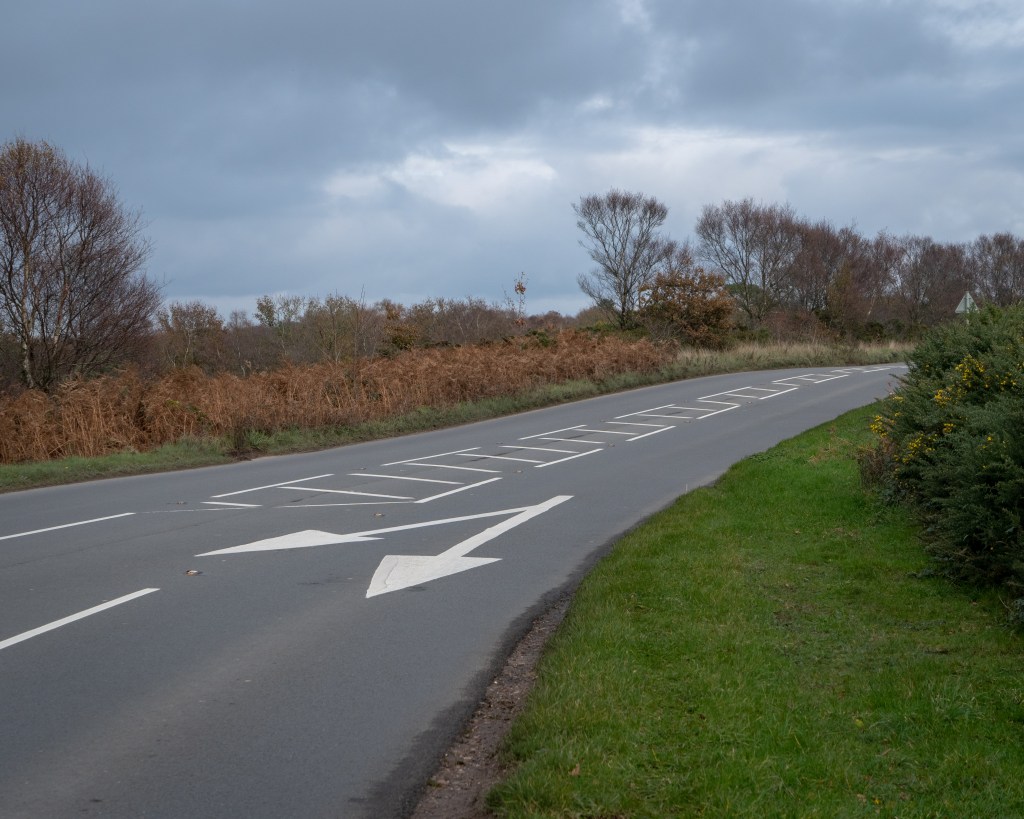
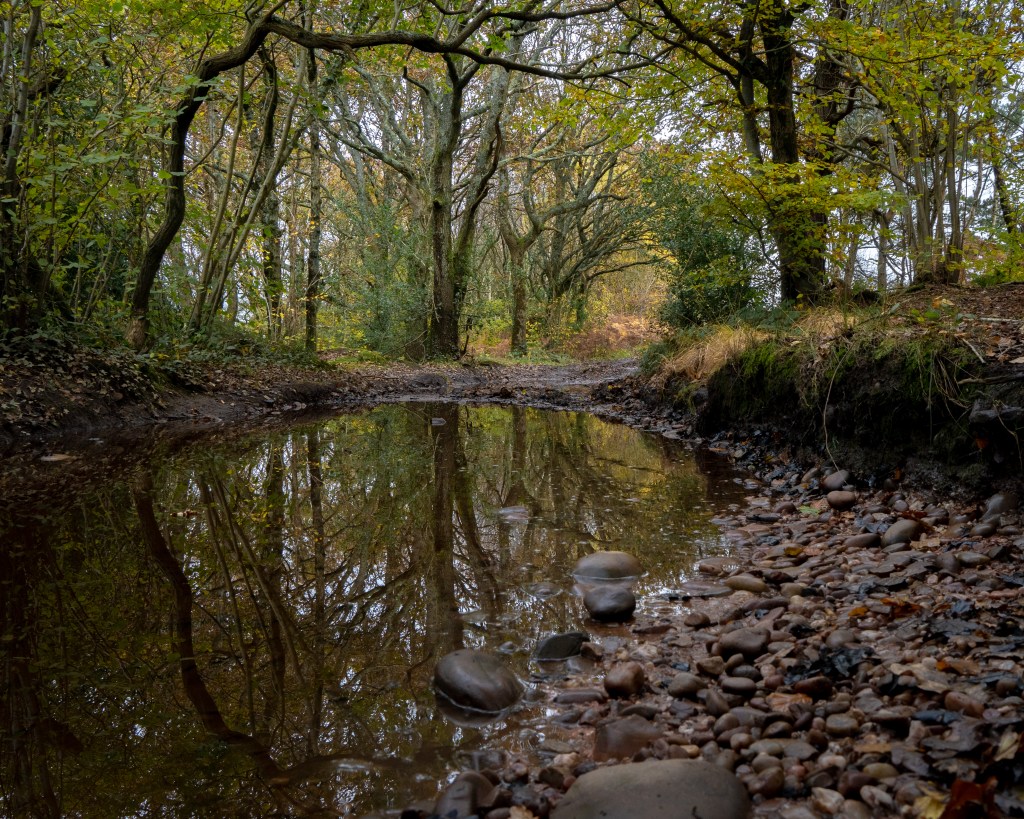
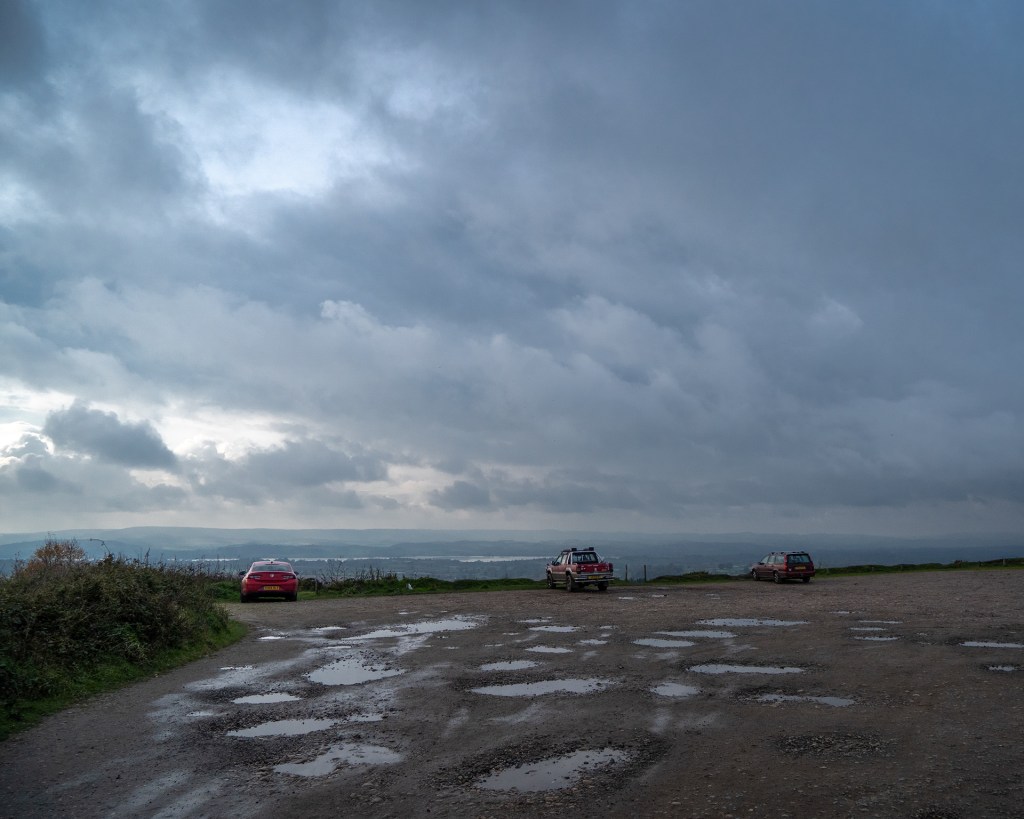
I’d scheduled a visit to Greenham Common today, but my brain decided last night was a great opportunity to wake up at 1, fret, and then think over coursework. Cheers, brain. So a 6 hour round trip wasn’t on the cards and instead I headed up to the Pebblebed Heathlands, a 40 minute round trip. Actually, maybe brain wasn’t being such a numpty after all, as the ensuing train of thought was productive and clear.
The first thing today made totally clear is just how impractical my intended project is. Sure, it’s a great project, but the amount of travel it’d involve will cost money I don’t have and cause disruption to home life if I’m doing it properly. Fact is, it doesn’t have to be done like this. I can investigate commons without needing to visit them all. The Pebblebed Heathlands are fascinating, known to me, and there’s even academic research that I’ve used previously, love, and can go into more deeply. If I’m developing a project about connectedness to land, and if I’m taking a phenomenological approach, then I need to develop my own connectedness to a common, which I can’t do if I’m flying around the country. I’ve been weighing up whether the project should be many commons in no great depth, or one or a couple in depth. Given my inclinations and limitations, it makes sense to go with the latter, and it will also give me the chance to develop a knowledge of sensory ethnography, use money for equipment, and develop a project more connected to Strands and to the possible future PhD with Gideon Koppel. So, OK brain, you win. You were right.
It’s also worth thinking more about the place of research into commons and photography. There’s no reason they can’t be separate but connected. I can write a series of essays on commons generally. I can investigate commons in East Devon through photography. Each can stand on its own, and I like the idea that the photography shouldn’t need explaining. But the two can be connected by approaching the same subject in different ways. Also, why can’t the photo project be like a diary? Entries date, weather, time – rather than trying to get all the shots alike. Food for thought.


Oral Presentation: My Practice
A 10 minute video reflecting on my photography practice.
Password: Shot
The Picturesque and the Sublime
These two words come up again and again and again in my reading and in discussions with tutors. They’re not unfamiliar – I’ve read Austen’s brilliant parody of picturesque in Northanger Abbey, I’m attuned to the Victorian quest for the sublime in places like Tavy Cleave on Dartmoor, I know enough about Capability Brown gardens to appreciate their picturesque, and of course I know the contemporary meanings – very different in the case of sublime. But as terms I’ve never come across their mention in such profusion as in photography. Perhaps that’s due to their powerful connection to ways of looking, something even more relevant to photography to film, and with their roots in painting, to which photography is more connected as a discipline than is film.
It’s proving useful as a way of understanding my own photography. I now realise that I largely avoid the picturesque – or if I do so, it’s with the intention of sharing an image with people who I know will draw pleasure from it, like my parents. But my relationship to the sublime, which I now see I have fully imbibed through landscape photography, is much more complex. I like bleak moorland shots. I like dramatic post-industrial shots. I like wild skies and rugged coasts. Beginning to understand the sublime is helping me unpick why I often find the shots I take of these unsatisfactory: like the picturesque, they’re driven by emotional response, it’s just I came to find a response to the sublime more satisfactory than the picturesque, somewhat noble, even a touch pompous.
Of course, there’s nothing whatsoever wrong with taking pictures just for their emotional charge, or sharing them. It’s just that, with the kind of analytic mind I have, I always want to go deeper, communicate more. A sublime shot becomes apolitical – even where the subject matter is political. And following the thinking-through style of filmmaking into my photography, analysing and communicating through a lens should be paramount. This can be brought about through subversion – it’s easy to subvert the picturesque, which lends itself brilliantly to parody, but how to do the same to the sublime? One strategy I do use is to bring the two together in a single shot – pretty flowers against a mass of concrete. But there must be other ways. And I must think more about suggesting political context somehow. Just thoughts for now.
Phototherapy
I’m drawn to certain places to take photos. I’ll visit them. There are also places I avoid, or don’t bother to bring a camera. I don’t really like Exeter, though I do like the outskirts – and of course there’s the bridge. I do love Bristol, and the grubbier the better – yesterday’s river walk was heaven. And while I’ll walk in lush woodland or magnificent coastal scenery, I’m not really there for the photos – though obviously these do happen. When I’m out specifically to take pictures, and also when I’ve decided not to bother, it’s worth thinking about.
I think I’m looking for something, or looking for a means of expressing something, or of thinking something through. The places I choose are often damaged, but they’re also beautiful, and it’s that clash of such things I seek. They’re places where melancholy, desperation and joy coexist. They’re contradictory but I can make them complete through photographing them, chaotic but I can find order through photographing them. I can’t think of anything more fundamentally therapeutic than that. When I photograph, I’m externalising the mess of thoughts and emotions inside me. I’m making sense of them, finding equilibrium, embracing all of it, and finding beau
Martin Parr Foundation visit
I love going to the Martin Parr Foundation even more now I’ve found the river walk to get there, with all its industrial sites, graffiti, bridges and trees. The Japanese knotweed is particularly splendid this autumn.
I looked out several books I’d wanted to find based on recommendations and Jesse Alexander’s Perspecitves on Place (2015). First up was Mark Power’s Superstructure (2000), which documents the construction of the Millennium Dome, now the O2 Arena.
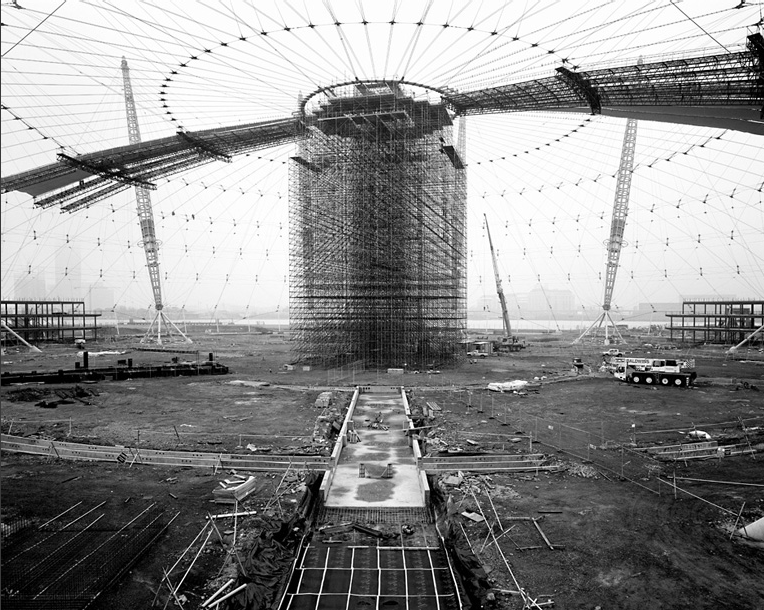
I’m undecided about Mark Power, as sometimes he comes across like a more showy Stephen Shore, but some of his stuff I love. This is a magnificent book, not simply because it takes you into the heart of something you wouldn’t have seen otherwise – the early stages of construction are epic. I loved his sense of the absurd – workers in the newly openned McDonalds’, the off limits human body exhibit – but more how he intersperses the epic with the micro details of the work – racks of mugs, wood shavings.
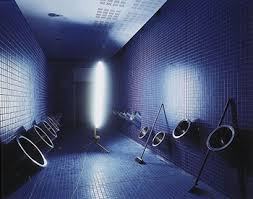
It’s strange having few people throughout, in what must have been a very busy site. It makes it seem oddly quiet, which it wouldn’t have been, and that adds to the epic, cathedral feel of the images. Activity is filled in with the details, and where workers appear, they also seem like details – blurred, backs towards the camera, just their feet overhead. Not focussing on people keeps the attention on the structure, rather than the human stories involved in its making. The time scale is that of the building, with occasional contextualising historic details like brand names, papers and TV shows. Time is moving on, though – the ruins and rubbish of the area at the start, the trees lines up and awaiting planting. Only 1 image exists after the openning, distant, blurred, almost as if the whole thing was pointless and the construction was the main event. Given the problems of the dome in the following years, that assumption is accurate.
I looked through several of Jem Southam’s books. Red River (1989) is a river that flows in West Cornwall, and it’s scenery I know, like much of Southam’s. Very well, in the case of his Exe Valley work. Red River, created with poet DM Thomas, doesn’t aim for smoothness, and he draws on numerous styles, abstracts, animal shots, puns. Like Power, he shows community and place largely without portraits. The portraits do seem like interruptions, like speech in a speechless film. I like his contrasts – garden flowers and grotty farmyards and John Davies-ish industrial shots. I liked Rockfalls, Rivermouths and Ponds (1999) much better.
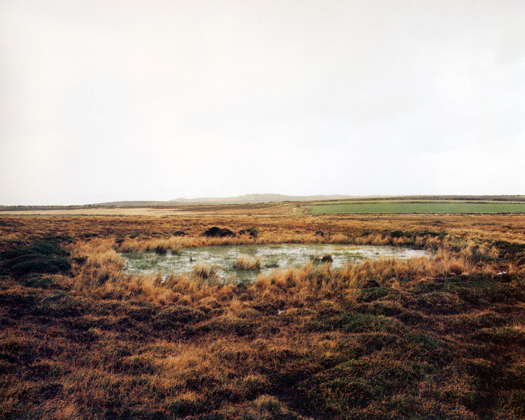
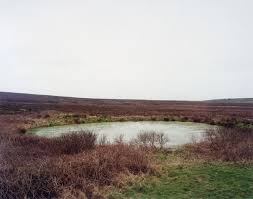
I can see what I’d been told about with typologies here – putting them together connects and creates a distinct effect. I wonder if the typologies of commons should be together, rather than the specific commons. There’s something particularly Becherish about the rivermouths and ponds. Southam seems largely to work in the early morning, before breakfast, again something I’d been told about and worth bearing in mind. Time is also really important – changing tides, seasons, and the cliff erosion – what Southam quotes as “creep” events – events on a really, really slow time scale. I should think about time in my project.
Isaac recommended I look at John Gossage’s The Pond (1985). This is great. He said you’re not really sure if it’s the same place or not in the book, but it feels as if it should be. Gossage has a fascination with paths, traces and borders as do I.

The landscape here is vague, unspecial, it’s an unofficial countryside, to quote Mabey (2010), and the aim is like an exploration and an evocation rather than a document.
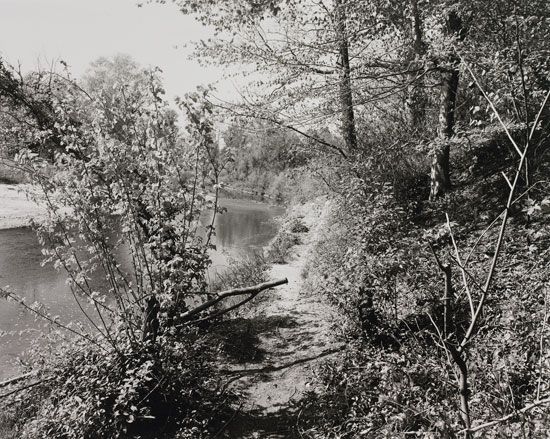
The photography isn’t technically accomplished. It’s not smooth. But that fits the subject and there are fascinating effects used with depth of field, something I should consider. There’s a real sense of looking around, at the ground, through trees, overhead. He does some similar stuff with There & the Gone (1997), but that feels more strained.
Isaac also recommended I look at Baltz. Park City (1981)is like a scruffy John Adams, much less beautiful and poised. More texture than line. Again, like Powers, busy building sites with absent activity. I loved Baltz’ use of typologies – waste heaps, unwired sockets, fireplaces, wood shavings.
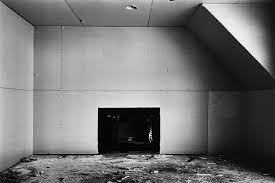
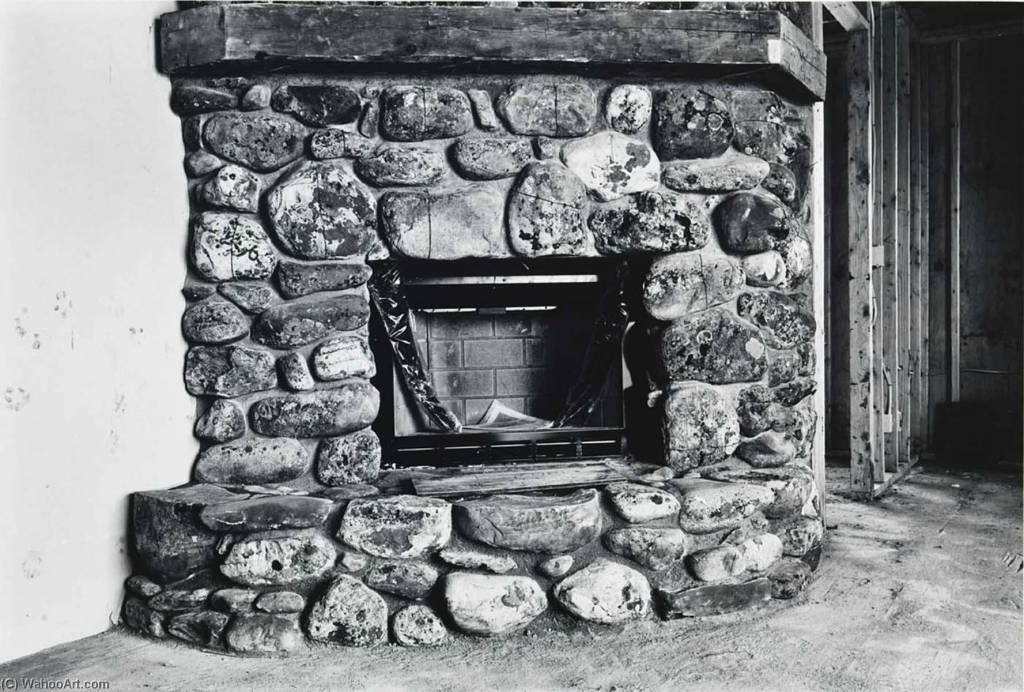
There’s a sense of time moving with dust and fire, but also stillness. It’s unnerving, though less so than San Quentin Point (1986) which looks at litter as if it were found on the surface of the moon. I found this impenetrable and boring after a while, though I appreciate its defamiliarising effects which make the litter look genuinely horrifying rather than simply morally wrong.
Borderlines (2008) is a book of interviews about The Troubles with people living at the Irish border – particularly poignant, upsettingly so, given current events.
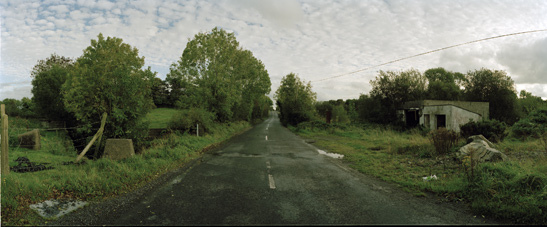
The book was created in the wake of the Good Friday Agreement and both sides saw joint EU membership as a means to peace. Sad. The photos aren’t all great, but there’s a casual focus on the banality and casualness of horror – murders at crossroads, a dead fox on a fence, a caged CCTV camera, as if the photos contain hidden codes and latent violence. It was hard to see how they fitted with the interviews, though.
Gilligan’s DIY/ Underground Skateparks (2014) depicts skateparks around the world, and while there’s an interest in seeing the variety and sameness of them all, the interest wanes fast – the portraits are horribly contrived – and it felt like he needed to work harder somehow. The shots are too dissimilar – especially a few stunning ones in Germany – and a sudden leap to golden hour footage seemed amateurish.
Paul Hill’s White Peak Dark Peak (1990) is a stunner. He’s fascinated with lines in the landscape, especially faint ones like badger tracks, and something that only works well in black and white, as I’ve found for myself. He has an eye for the surreal and macabre – the wallaby in vignetter, a rotting badger through the year – and typologies – mushroom circles, tussocks, dead trees.
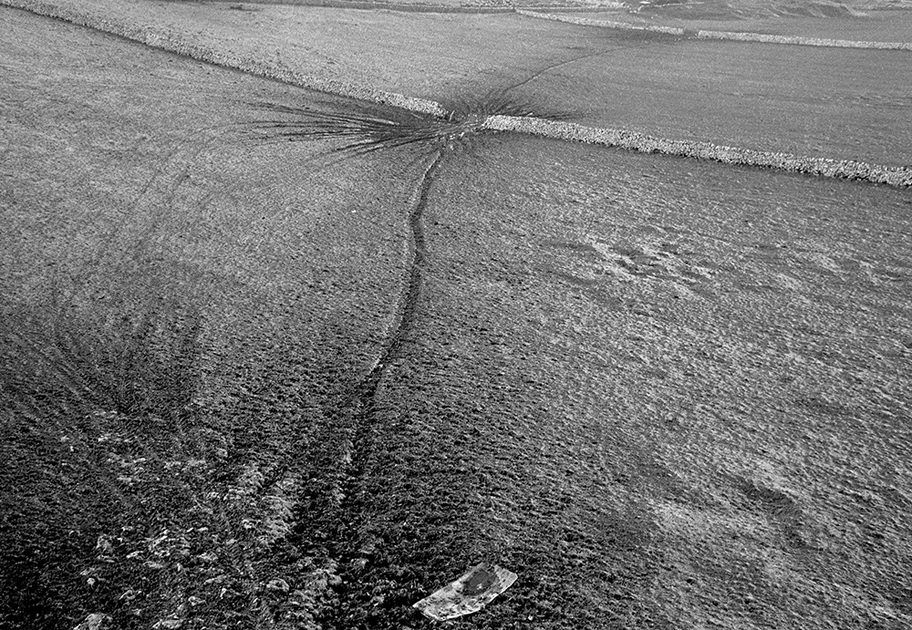
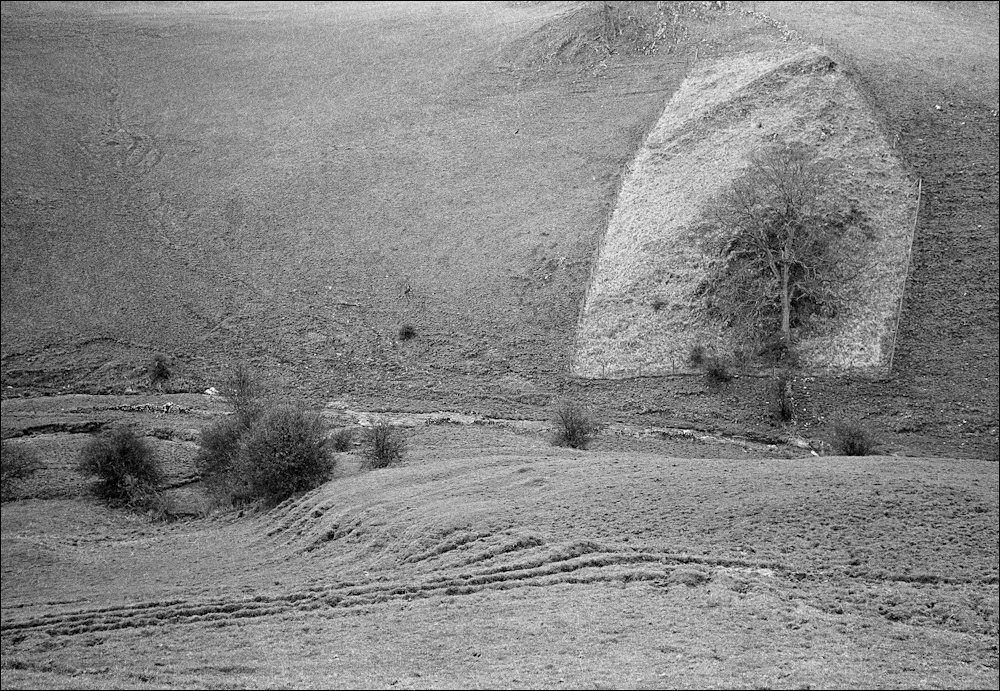
Shots are repeated almost identically, some as places, but others as positioning for flowers, for example. Oddly, the exactness and repetition between seasons makes the landscape seem unchanging.
Alexander, J. A. P. 2015. Perspectives on Place: Theory and Practice in Landscape Photography. London: Bloomsbury.
Baltz, L. 1981. Park City. NYC: Aperture.
Baltz, L. 1986. San Quentin Point. NYC: Aperture.
Brady, T. et al. 2008. Borderlines: Personal Stories and Experiences from the Border Counties of the Island of Ireland. Gallery of Photography. Dublin: Gallery of Photography.
Gilligan, R. 2014. DIY/ Underground Skateparks. NYC: Prestel.
Gossage, J. 1985. The Pond. NYC: Aperture.
Gossage, J. 1997. There & Gone. Munich: Nazraeli Press.
Hill, Paul. 1990. White Peak, Dark Peak. Manchester: Cornerstone Publications.
Mabey, R. 2010. The Unofficial Countryside. Stanbridge, Dorset: Little Toller Books.
Power, Mark. 2000. Superstructure. London: HarperCollins Illustrated.
Southam, J, & Thomas, D. M. 1989. Red River. Manchester: Cornerstone Publications.
Southam, J. 1999. Rockfalls, Rivermouths and Ponds. Brighton: Photoworks.
John Davies – A Green & Pleasant Land
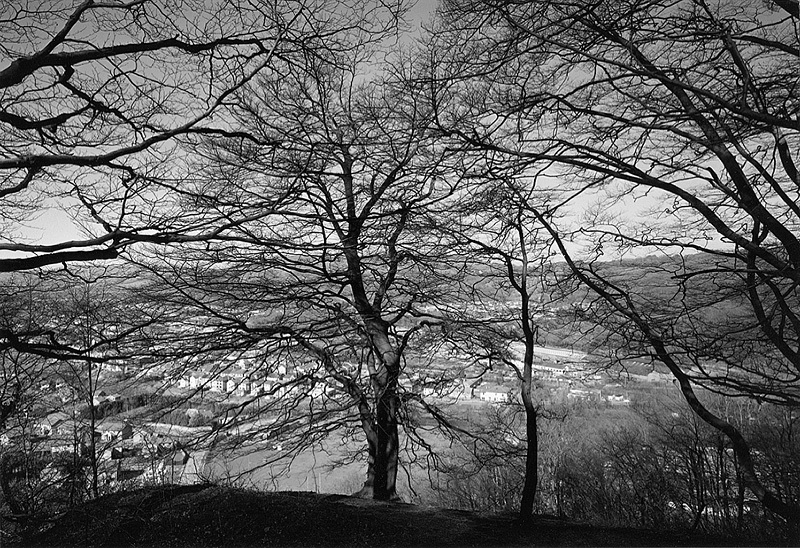
I’ve seen a couple of Davies’ images before, and have been keen to investigate further. There’s a studied melancholy but vitality to those I’ve seen, and his use of line and space and engagement with social and geographical history chime with my own interests. His work is deeply political inasmuch as it makes the viewer consider the politics embedded in the image, and is never didactic. It is critical of industry and power but nevertheless celebrates human endeavour and labour. He confronts nostalgia and the contradictions of a cultural love of the natural environment.
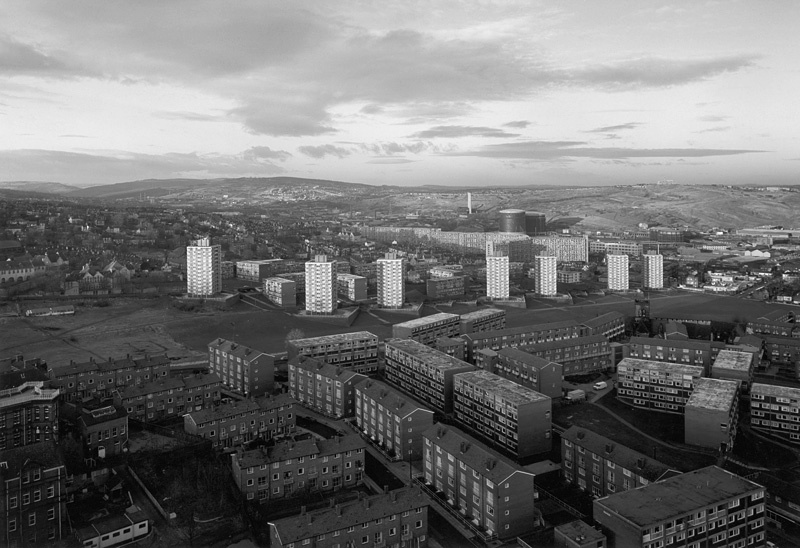
Looking through A Green & Pleasant Land (1987), I’m struck by the aesthetic as well as thematic interconnections. Largely shot, I imagine, large format, there’s a love of detail and an embrace of sky, even where it’s largely featureless. Sky is something I like but am anxious about in my own work, and which I began exploring as a part of an image this summer. Davies has typologies – bridges, brick, waterways, tall structures, railway and motorways, housing estate grids, recreational green space – that interconnect the photos, creating unity.
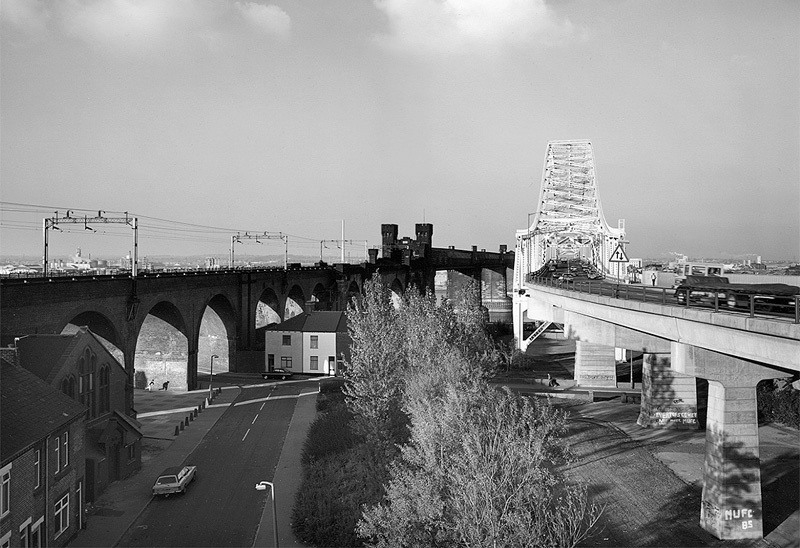
I’m willing to consider large format – eventually. Commons are often wide spaces and perhaps they are best depicted that way. I’m not sure about black and white – though I do enjoy it, and sometimes feel it’s the best match for a shot, I’m enjoying the colour available through my Sony, with the hyperreal touch it adds to my images in post-production. I think, however, that I’ll need to do further research and visit a lot more commons before I develop a typology. I’m getting there, though.
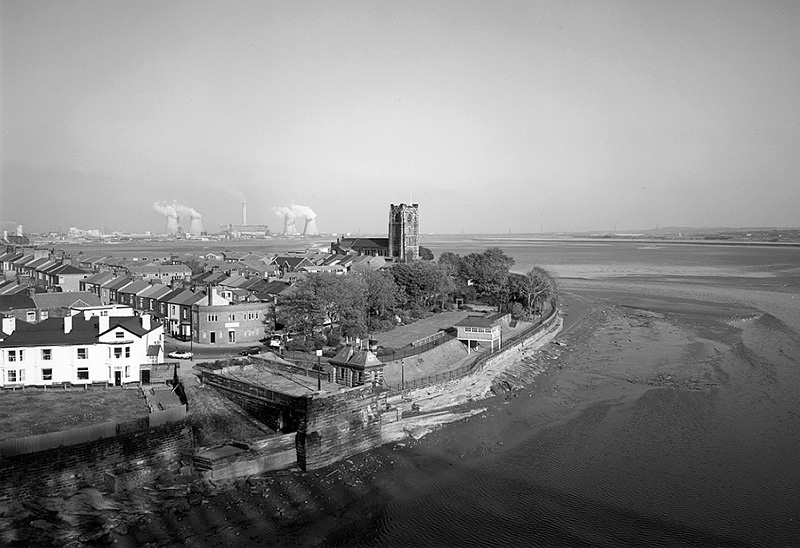
Davies, J., Wood, M., & Powell, R. 1987. A Green & Pleasant Land. Manchester: Cornerhouse Publications.
 out of the picture
You must be logged in to post a comment.